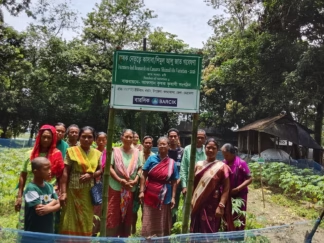
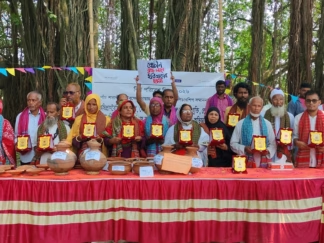
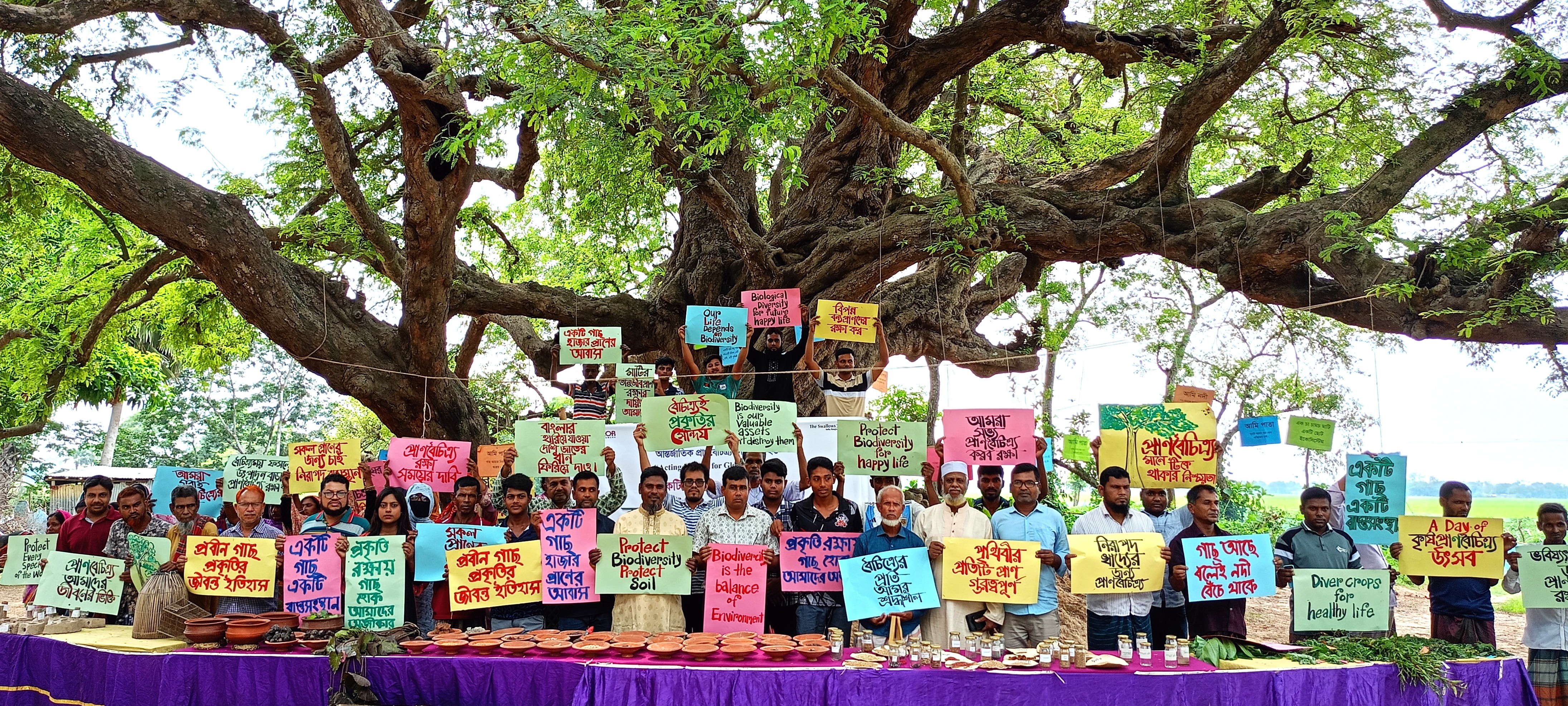
Communities across working areas of BARCIK observed International Biodiversity Day 2026 with rallies, biodiversity fairs, food exhibitions, tree plantation drives, and discussions on agroecology and environmental protection. The programs, organized with support from the BARCIK, highlighted the urgent need to protect local ecosystems, native crops, and traditional knowledge in the face of climate change.
BARCIK staff Mukter Hossein from Harirampur Upazila reported that during the observation of international biodiversity day, communities near the Padma River char areas demanded stronger protection for river islands and biodiversity. The event was held at Patgram Char village under the theme, “Local Actions for Global Impact.” Farmers, environmental activists, and community leaders mentioned that river erosion, irregular rainfall, and rising temperatures are severely affecting agriculture and natural habitats in the Padma basin.
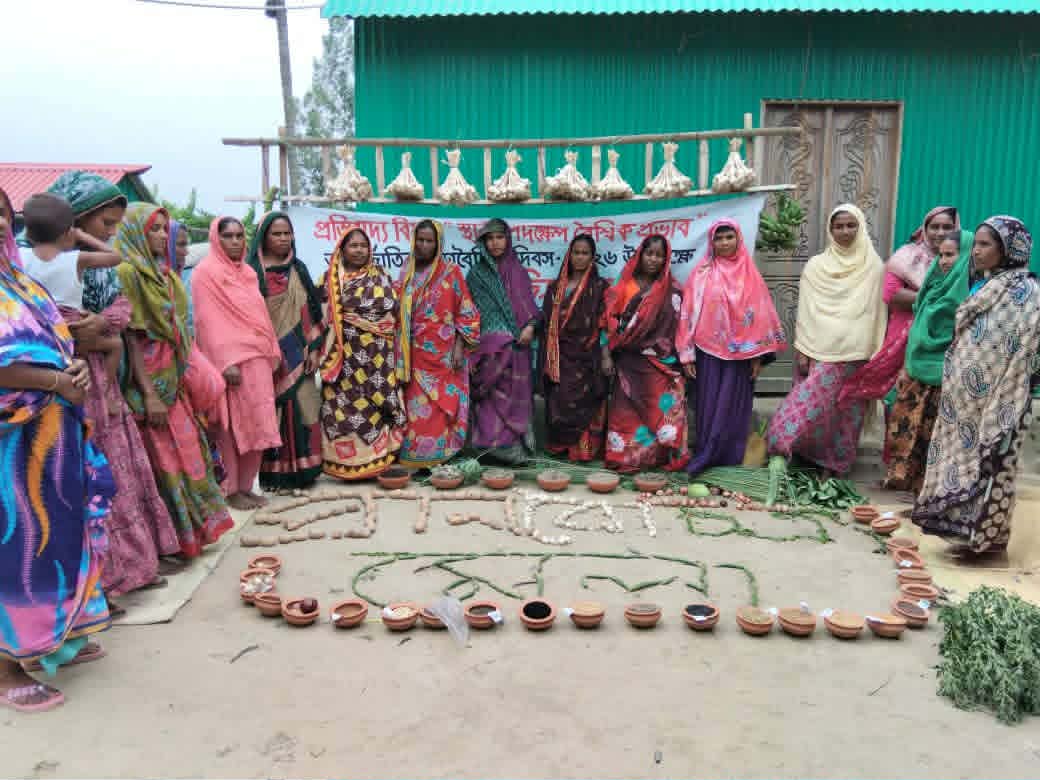
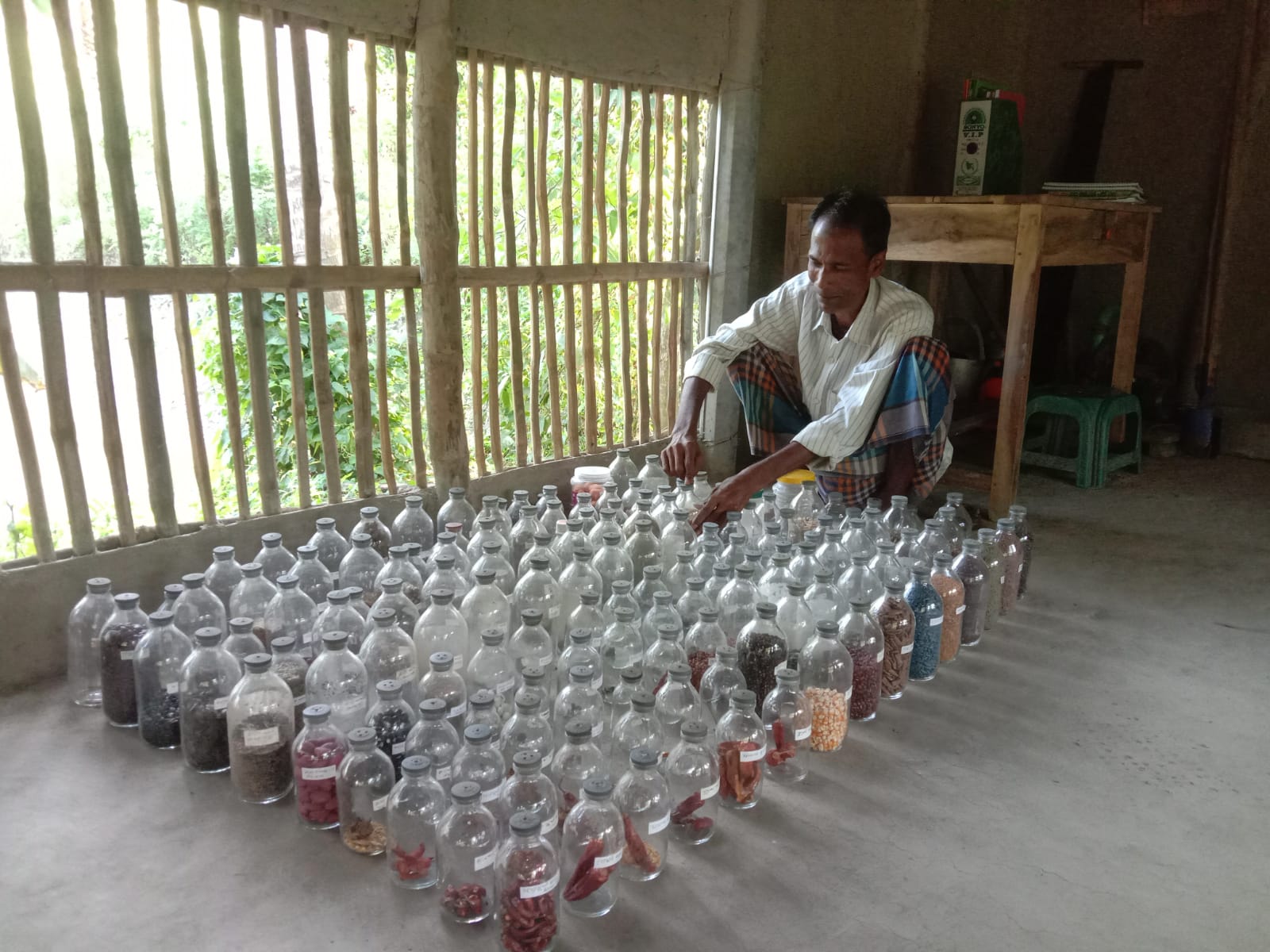
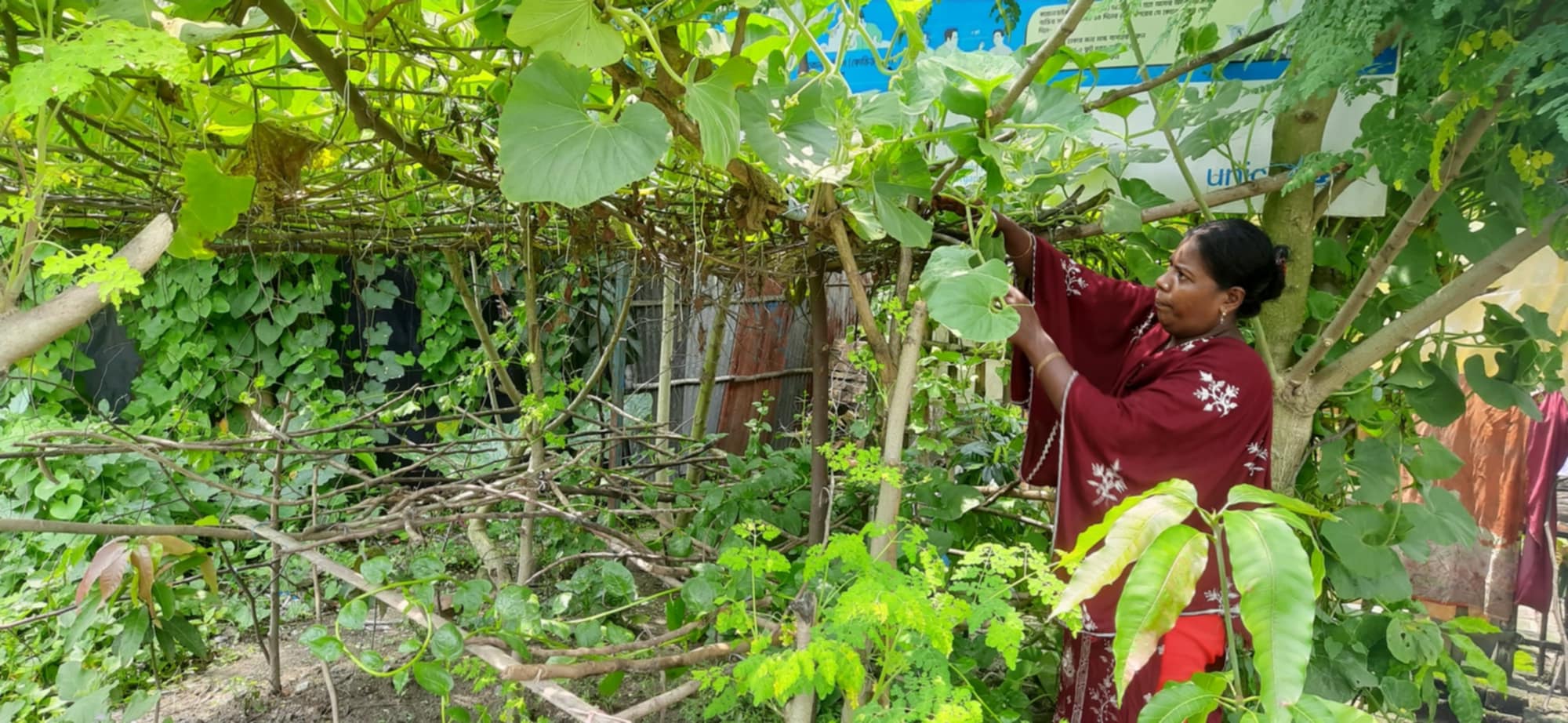
Speakers at the discussion stressed the importance of reducing dependence on chemical fertilizers and pesticides while promoting organic and nature-based farming practices. Farmers also displayed native seeds, uncultivated plants, medicinal herbs, safe food products, and traditional farming tools at the biodiversity fair. Community leaders warned that continuous river erosion is causing the disappearance of fertile land, native crop varieties, and wildlife. Local residents demanded long-term char protection measures to preserve both people and nature.
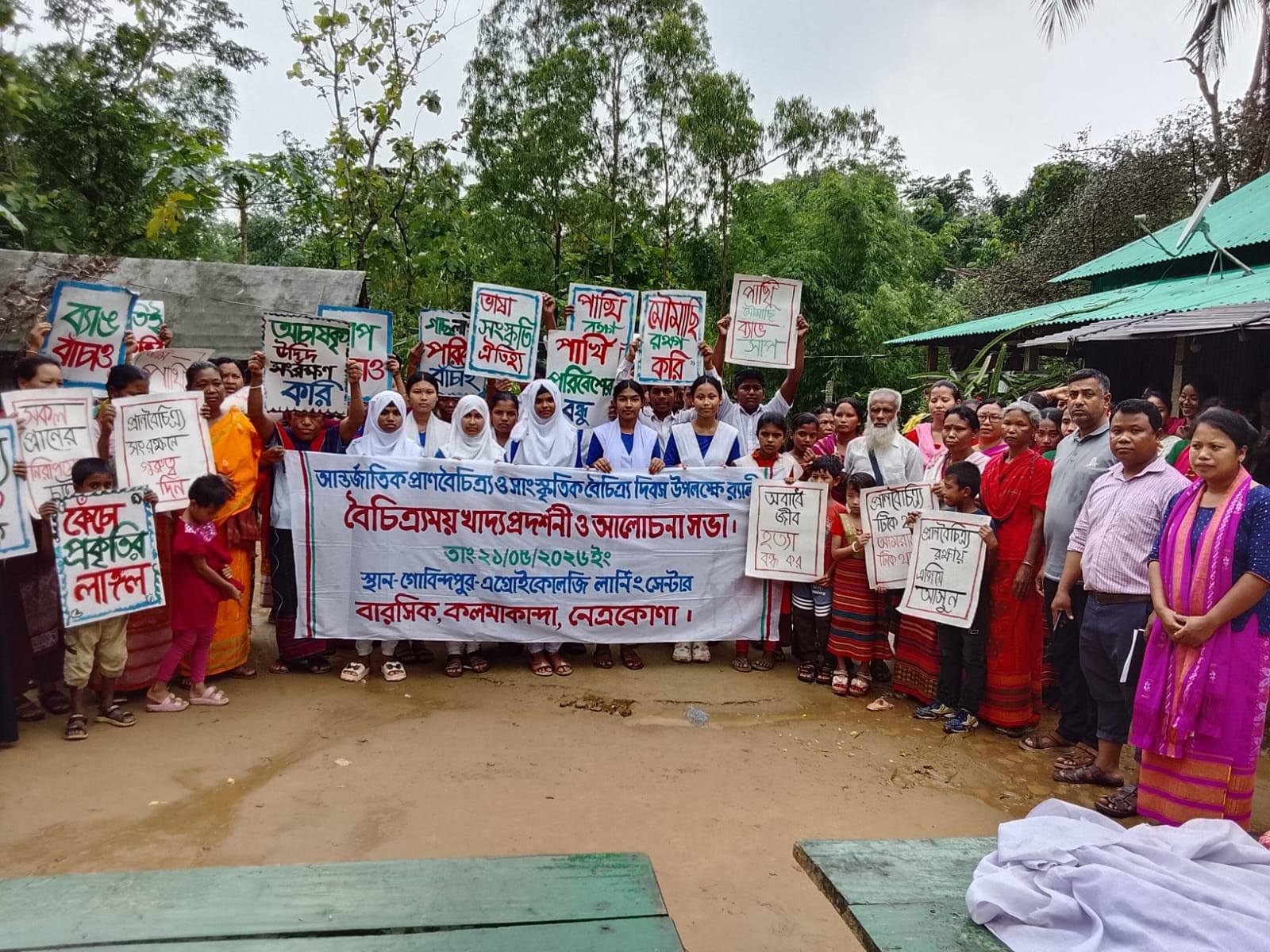
Another major program was organized at the Govindapur Agroecology Learning Center in Kalmakanda Upazila, where International Biodiversity Day and Cultural Diversity Day were celebrated together. BARCIK staff Gunjon Rema reported that farmers, women, students, and cultural activists participated in a food diversity fair featuring local grains, vegetables, fruits, and traditional foods. The event also included quizzes, rural games, and cultural performances aimed at raising awareness about biodiversity and cultural heritage.
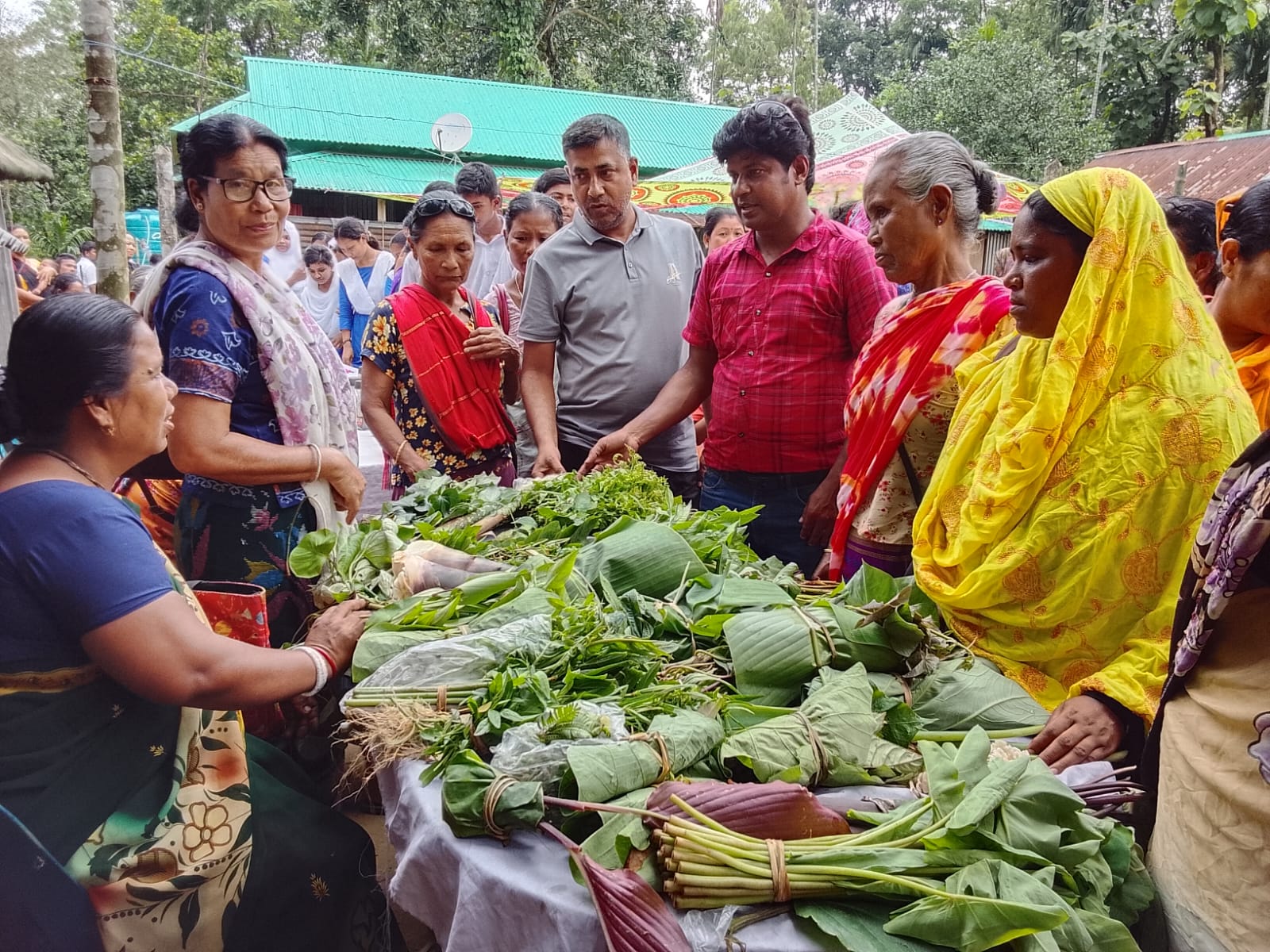
Speakers at the Kalmakanda event said that biodiversity and cultural diversity are essential foundations for a sustainable future. They emphasized that protecting native seeds, traditional foods, local culture, and natural resources is necessary to maintain ecological balance and food security. Participants also called for strengthening agroecological lifestyles and conserving indigenous knowledge systems.
In Atpara Upazila, BARCIK staff Parboty Rani Singh mentioned that to mark the international biodiversity day, members of the Green Coalition Committee launched a tree plantation campaign by planting indigenous fruit, forest, and ornamental trees at Atpara Children’s Park. Local officials and environmental activists joined the program, encouraging communities to plant more native trees along roadsides and public spaces to combat global warming and protect future generations.
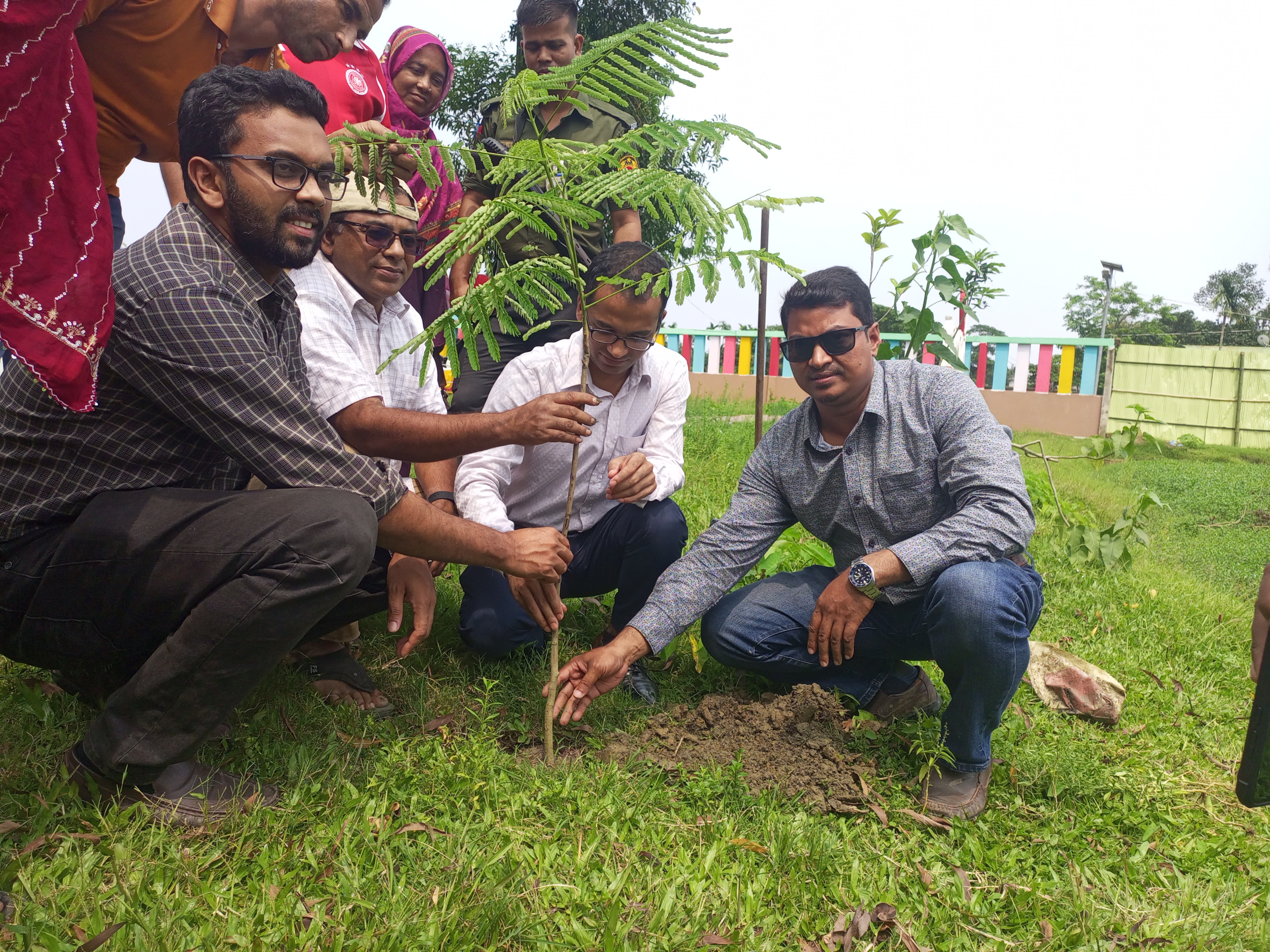
Environmental campaigners highlighted that humanity cannot survive without protecting nature. They warned that excessive consumerism, artificial lifestyles, and environmental destruction are distancing people from nature and threatening human survival. According to the speakers, protecting biodiversity is directly linked to safeguarding human life.
Meanwhile, BARCIK staff in Singair Upazila, Shahinur Rahman mentioned that a large biodiversity fair was organized to mark the international biodiversity day which brought together farmers from several villages to display local seeds, organic fertilizers, fish species, uncultivated edible plants, and ecological farming practices. Students also participated in biodiversity awareness sessions and quiz competitions.
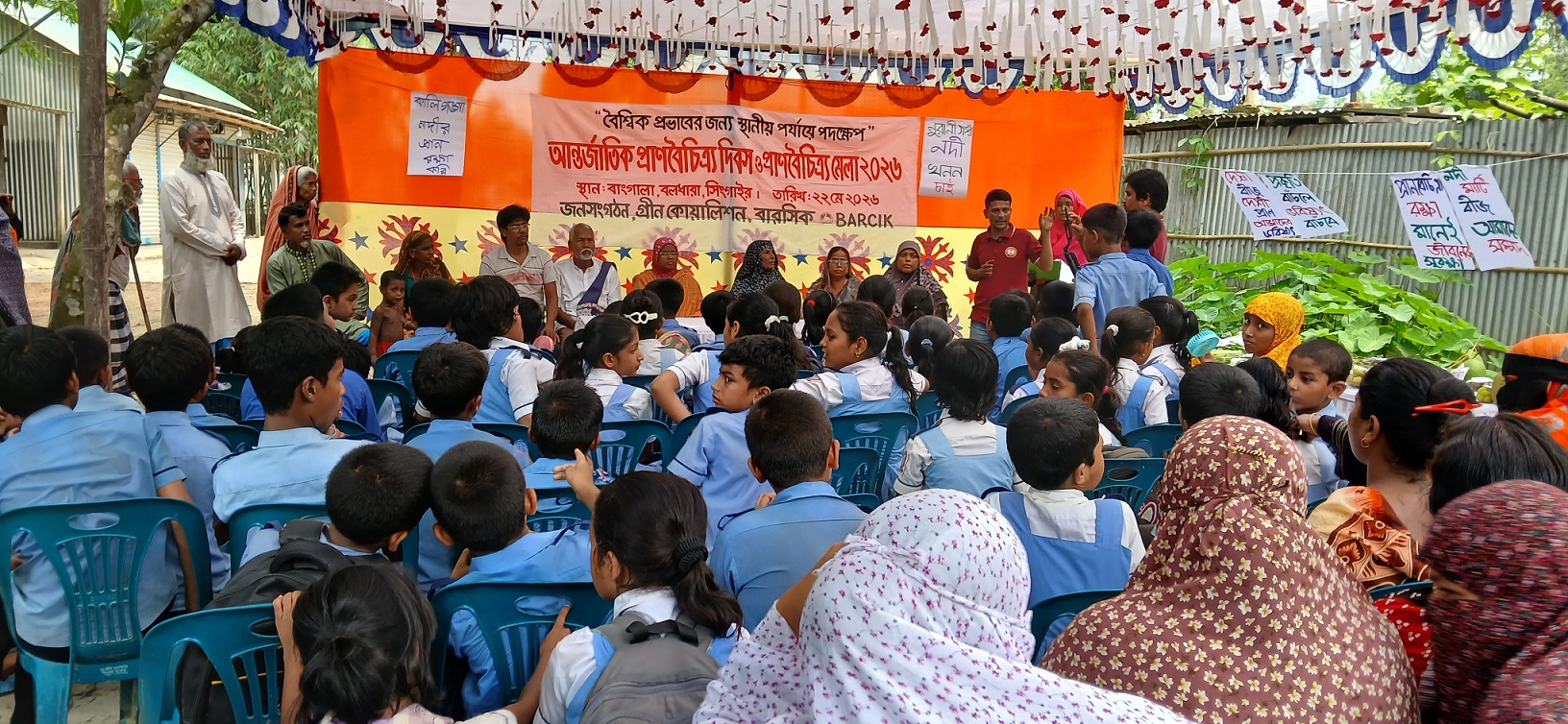
During the discussions, farmers spoke against the excessive use of chemical fertilizers and pesticides, saying these practices are destroying soil fertility, native plants, and aquatic life while increasing health risks for people. Environmental activists also raised concerns over unplanned dams, culverts, and the widespread use of destructive fishing nets that threaten rivers and aquatic biodiversity.
Participants across all events agreed that local communities must play a leading role in protecting biodiversity, strengthening sustainable agriculture, restoring rivers, and preserving traditional ecological knowledge. They expressed hope that these grassroots initiatives would inspire a broader movement for environmentally friendly farming and biodiversity conservation throughout Bangladesh.