By Mofijur Rahman, from Shyamnagar, Satkhira
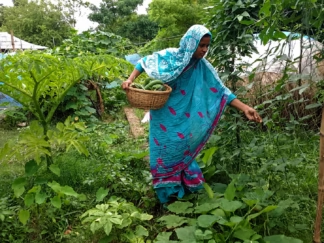
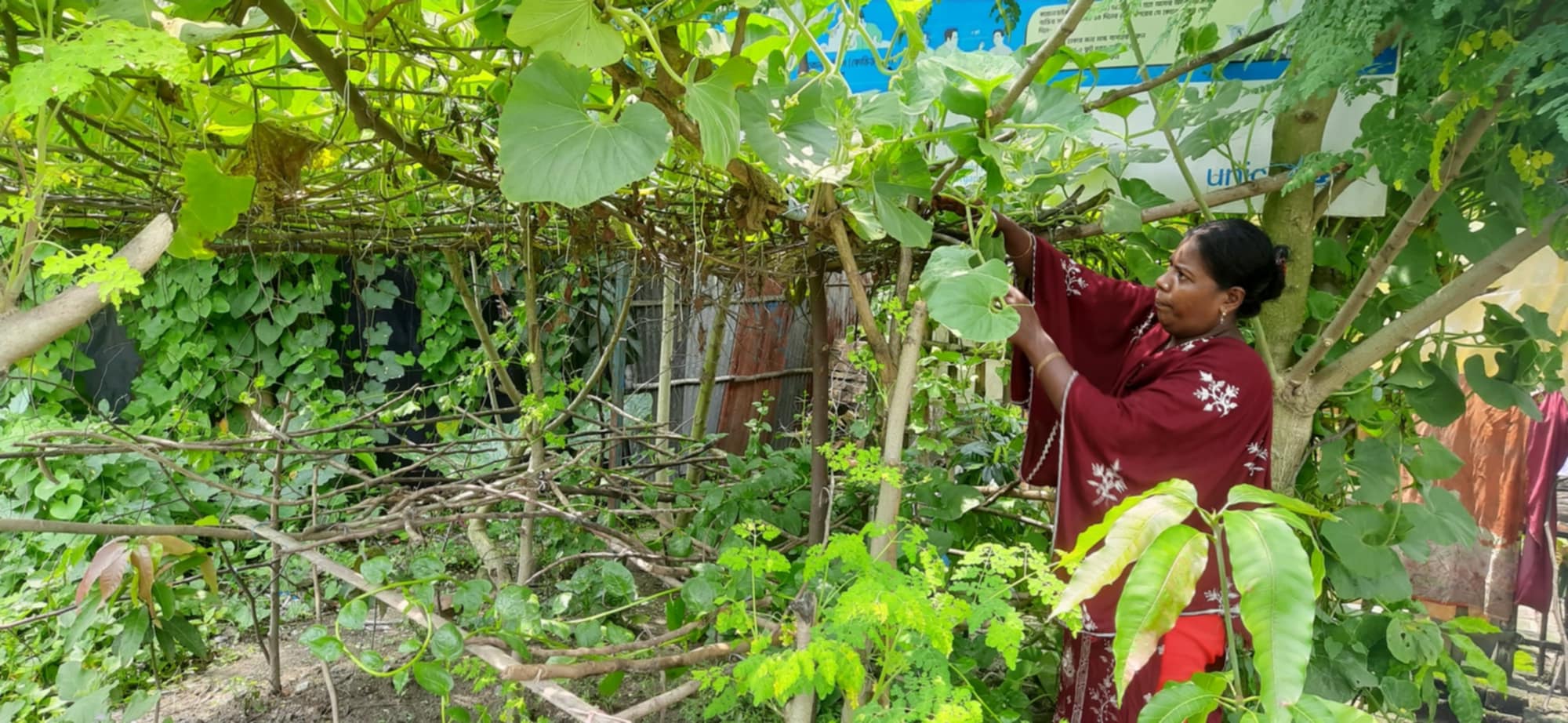
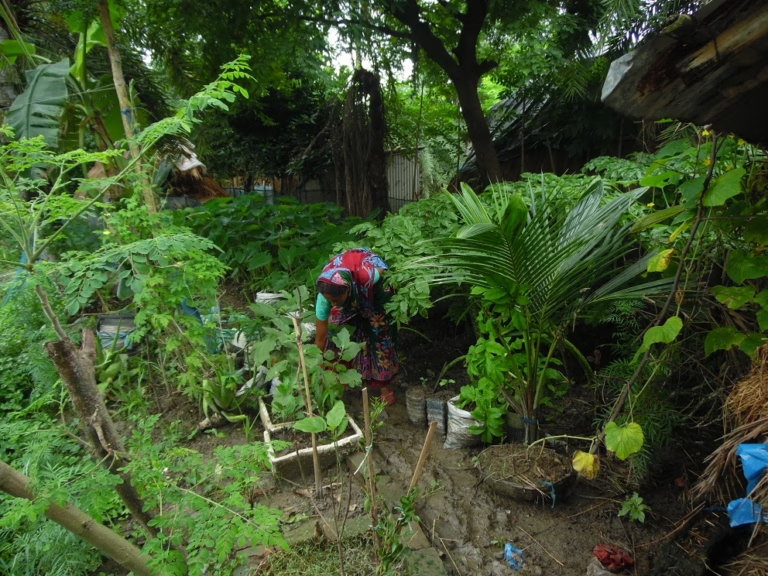
Monika Mondal, 35, a farmer from Khosalkhali village in Burigoalini Union of Shyamnagar, Satkhira, has transformed her once largely fallow homestead into a diverse agroecological farming system. A mother in a six-member family, she now grows local varieties of vegetables, fruits, spices and medicinal plants while conserving seeds and practicing nature based farming.
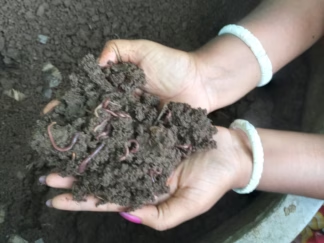
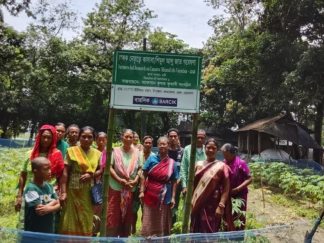
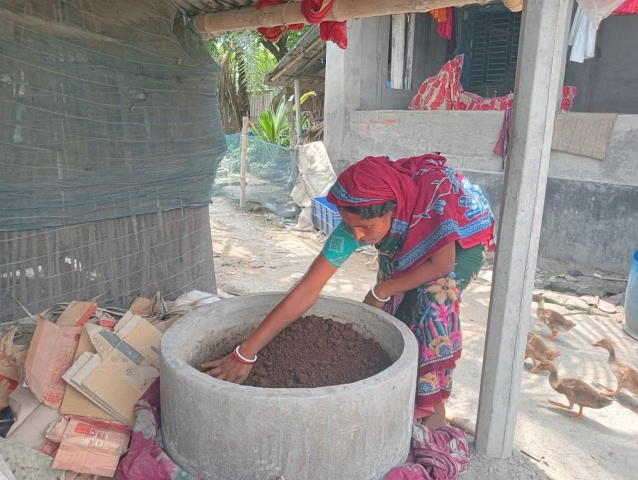
Monika began working with BARCIK in 2026 and participated in training and experience-sharing sessions on vermicompost, botanical pesticides, local seed conservation, uncultivated plants, crop diversity and mixed farming. These experiences changed her understanding of how even small spaces around the house can contribute to food and livelihood security.
 oplus_0
Today, her homestead produces around 16 types of vegetables and 14 types of fruits, including gourds, bitter gourd, cucumber, beans, eggplant, leafy vegetables, guava, coconut, lemon, papaya, drumstick and dates. She also raises cattle, goats, ducks and chickens, further improving household nutrition and income.
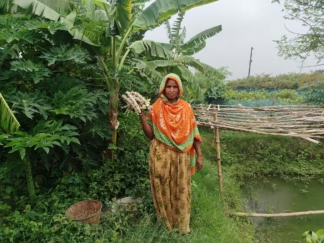
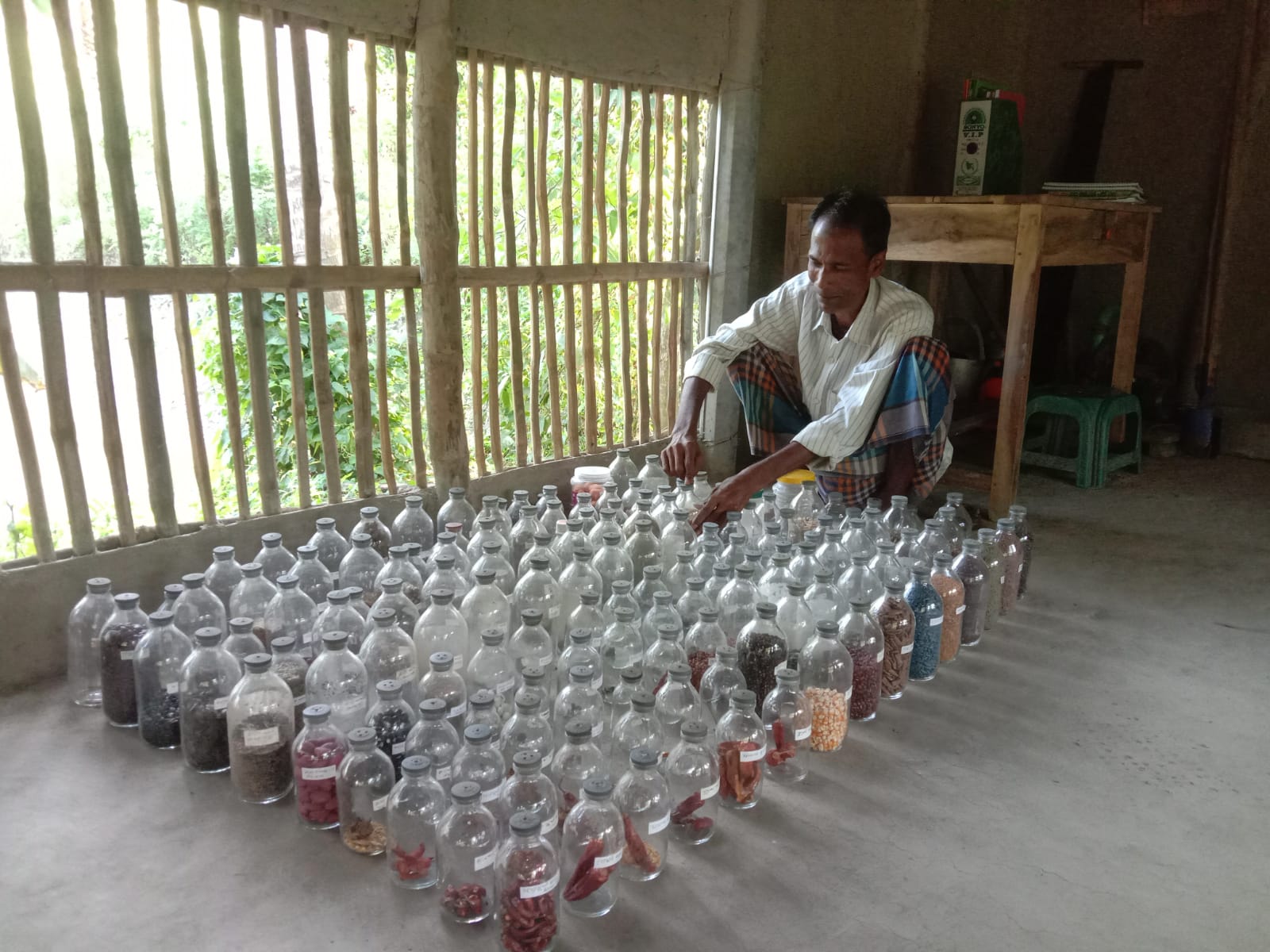
Monika carefully selects seeds from healthy local crops, dries them and stores them in glass bottles or traditional household spaces. She currently conserves about 10 types of local seeds, including bean, taro, yam, chilli, ginger and leafy vegetables, and freely shares them with neighbours.
Through BARCIK training, she has also learned to grow ginger in bags, reuse discarded plastic containers, and produce vermicompost and organic pesticides. As a result, her expenditure on chemical fertilizers and pesticides has fallen to about one-quarter of its previous level.
Her family now obtains around 3 kg of vegetables daily from the homestead. The family consumes vegetables, while surplus produce generates income. Together, these savings and earnings provide an estimated annual economic benefit, helping her to cover children’s education and other household expenses.
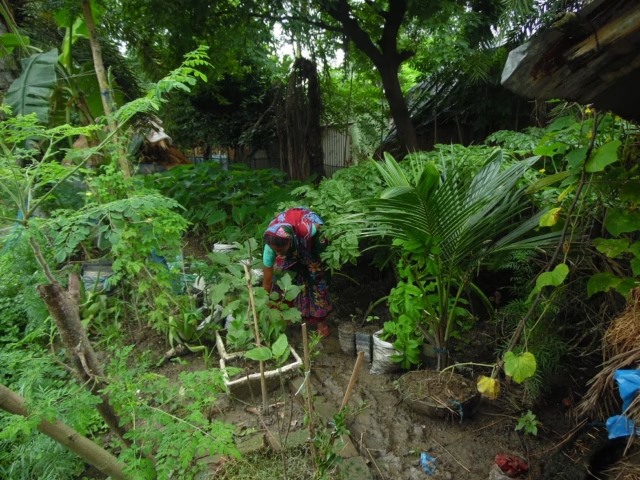
Her success has also strengthened her voice within the family and community. Neighbours now seek her advice on seed conservation, vegetable cultivation and farming challenges.
Monika Mondal said, “Visiting the Dhumghat Agroecology Learning Centre inspired me the most,” She says. “I began using every available space in my homestead and reusing household materials. I once thought farming was simply about producing crops. Now I understand that farming also means protecting nature, ensuring safe food for my family and conserving local seeds for future generations.”
Monika is now more than a successful woman farmer. Her experience demonstrates how agroecology, local seed conservation and women’s economic empowerment can strengthen food and livelihood security in climate-vulnerable coastal communities.