By Silvanus Lamin
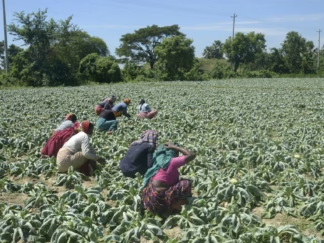
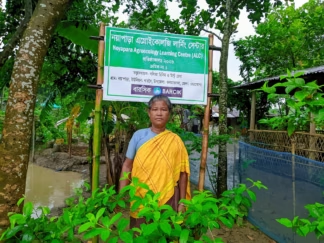
Behind the food on our tables, the seeds in our fields and the biodiversity that sustains rural life are generations of women whose knowledge, care and hard work often go unrecognized. BARCIK honors 116 women heroes in Manikganj (36) Rajshahi (22), Satkhira (25) and Netrakona (33). These heroes received recognition for their contributions to agroecological practices that keep the environmnt protected and ensured biodiversity conservation and sustainable rural livelihoods.
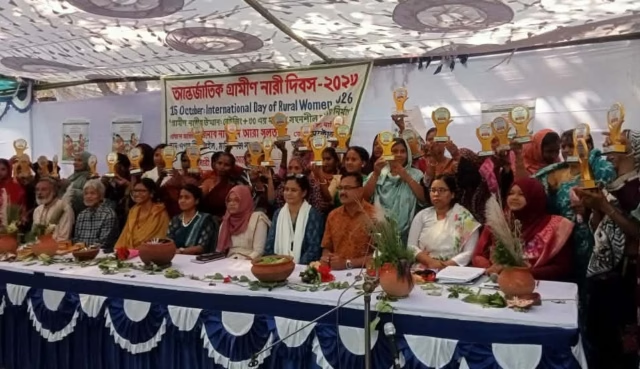
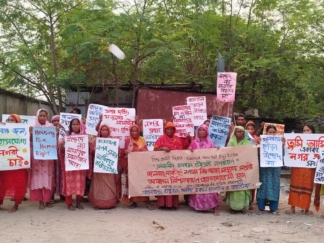
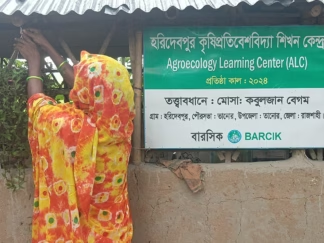
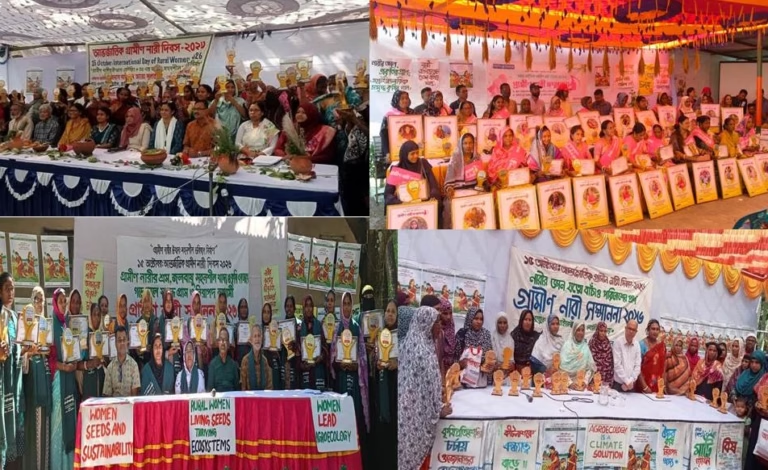
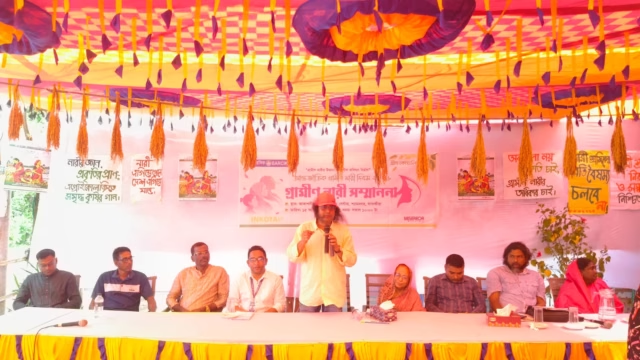
On 15 October 2026, people in Manikganj, Netrokona, Satkhira and Rajshahi regions of Bangladesh witnessed a different but pleasing scene in their courtyard as these courtyard became a gathering place for rural women, farmers, development workers and government representatives. They came together to celebrate International Day of Rural Women under the themes “Save the Life of the Environment through Women’s Knowledge and Care” and “Rural Women’s Rise: Building a Resilient and Sustainable Future in Line with Beijing+30.” Organized through the initiative of local rural women, the day-long event celebrated not only the achievements of women farmers but also the knowledge, experience and care they contribute to their communities. A key highlight was the recognition of 116 women farmers for their outstanding contributions to environment friendly agricultural practices. The event was jointly supported by BARCIK, Steps Towards Development and Green Coalition.
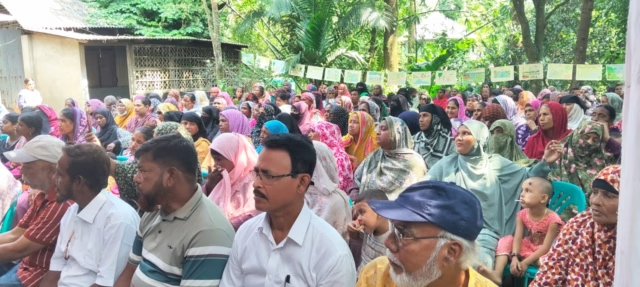
Rural women’s knowledge sustains rural life
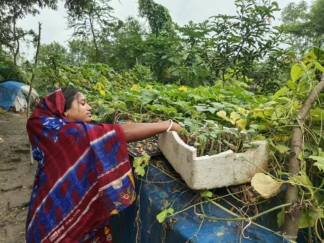
Presiding over the gathering, rural women’s leader in Manikganj Asma Akter helped to bring attention to the central role women play in agriculture and community life. Manikganj Deputy Commissioner Nazmun Ara Sultana attending as the chief guest in Manikganj event said, “Agriculture originated with women. Rural women are indispensable to environmental and biodiversity conservation and sustainable rural development. Proper recognition of their labour, knowledge and contributions will further encourage and empower them in their work.” Speakers who attended as chief and special guests in these events organized in 4 regions emphasized that women have played a fundamental role in the history of agriculture and continue to contribute to environmental protection, biodiversity conservation and sustainable rural development. They stressed that recognizing women’s labor, knowledge and achievements is essential to encouraging their continued participation and leadership. Their message reflected a reality familiar to rural communities: women do much more than cultivate crops. They conserve local seeds, maintain diverse plants, prepare traditional foods and pass agricultural knowledge from one generation to the next. Their everyday practices help to sustain household food security, protect biodiversity and strengthen communities’ ability to respond to environmental challenges.
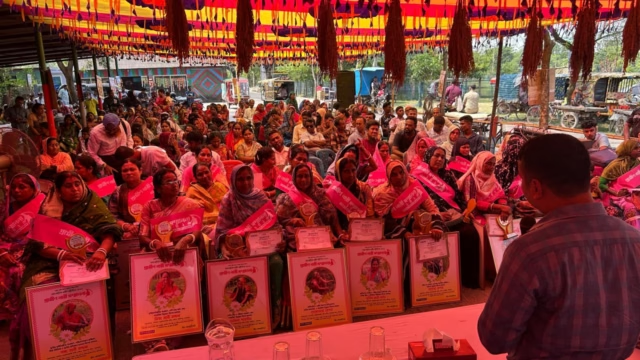
The celebration of rural women day in 4 regions were attended by government officials that include deputy commissioner (DC) Upazila Nirbahi Officer (UNO), Deputy Director of the Department of Agricultural Extension; Deputy Director of the Department of Women Affairs; representatives of local elected bodies Union Parishod chairman, members; civil society representatives, journalist, academicians, women leaders, youths, Indigenous people, members of Green Coalition BARCIK staffs and people of different walks.
116 women, one shared contribution
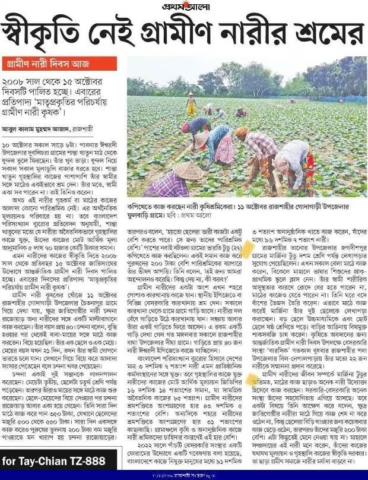
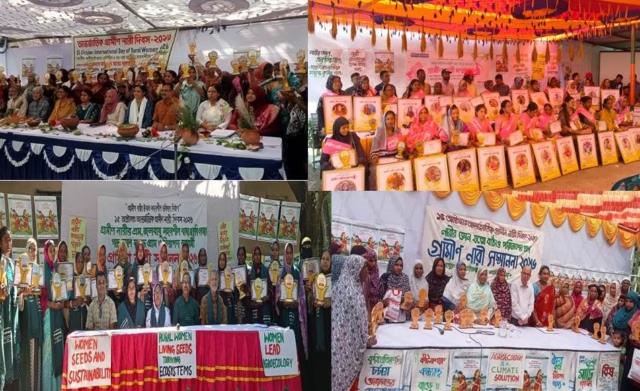
The most heartfelt moment came when the chief guest and other distinguished guests presented commemorative awards to 116 women farmers in recognition of their contributions to agroecological practice and biodiversity protection. For these women, the recognition represented more than a commemorative award. It was an opportunity to bring their often-overlooked contributions into public view and to affirm that rural women’s knowledge and labor deserve respect. The events of honouring women for their contribution in agroecological practices and protection of biodiversity on the world rural women day have been covered by media which send public messages to the people regarding the contribution and hard works of rural women to feed us all as farmers and custodian of biodiversity and seeds.
A fair celebrating the richness of rural life
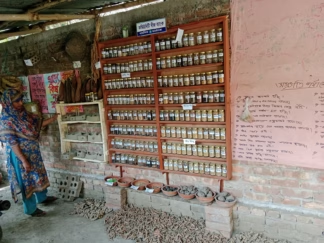
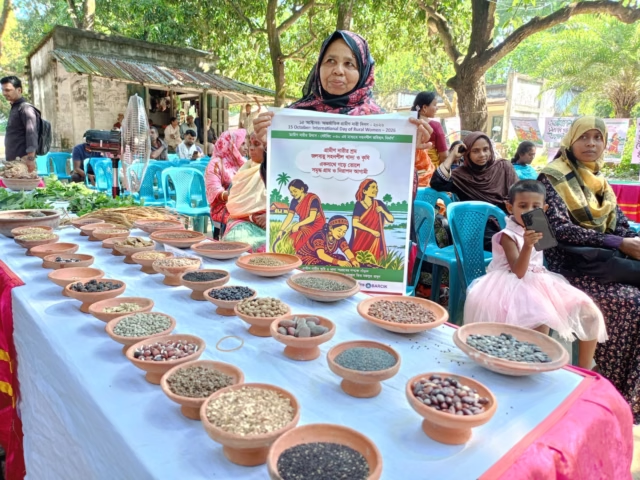
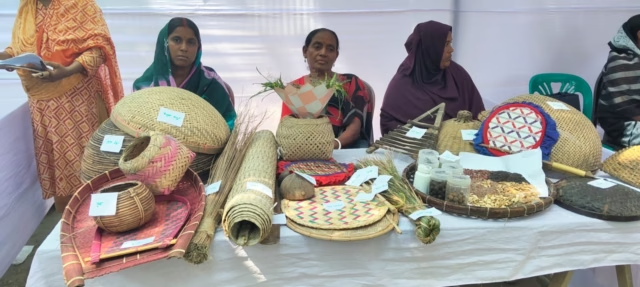
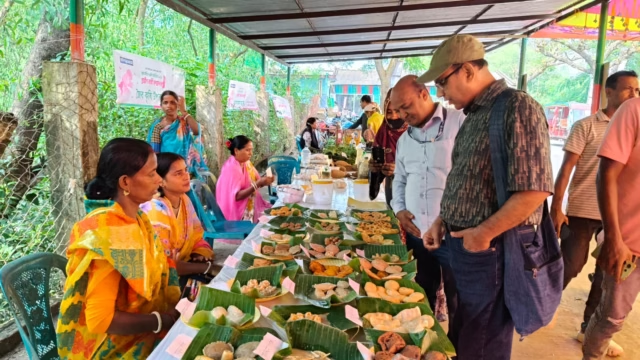
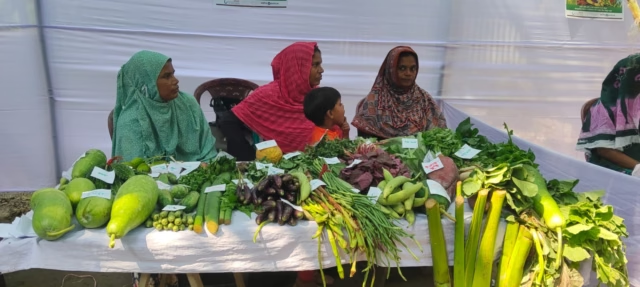
The celebration also featured a special Rural Biodiversity Fair, where women farmers showcased the diversity and creativity of their agricultural practices. The fair displayed locally conserved traditional seeds, a variety of uncultivated plants, traditional rural foods and pitha (traditional cakes), handicrafts, environment friendly farming materials and innovative agricultural technologies. The displays attracted visitors and offered a glimpse into the knowledge and resources that rural women maintain within their homes and communities. Each seed, plant and traditional food represented more than a product. Together, they reflected a living heritage shaped by generations of observation, experimentation and care. Preserving this diversity is vital for sustaining local food systems and reducing dependence on uniform, input-intensive agricultural practices. The fair also created a space for women to share their experiences and demonstrate how their knowledge can contribute to more sustainable agriculture and resilient communities.
Recognizing rural women means investing in the future
International Day of Rural Women is a reminder that rural development cannot be sustainable if women’s contributions remain invisible. Women farmers are not simply participants in agricultural production; they are knowledge holders, seed conservers, environmental stewards and community leaders. The celebration in Manikganj, Satkhira, Rajshahi and Netrokona placed these contributions at the centre of public recognition.
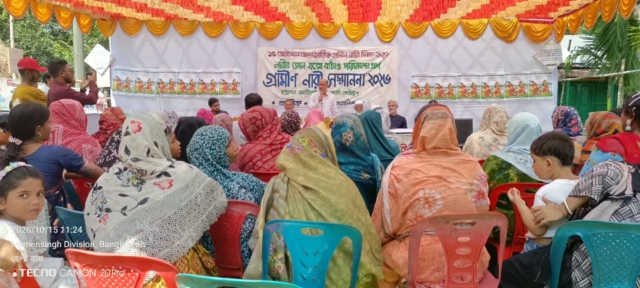
By honouring 116 women farmers and showcasing their agricultural knowledge and biodiversity practices, the event highlighted the importance of valuing rural women not only for their labour but also for the experience and leadership they bring to building a sustainable future.
Information support: Md Nazrul Islam (Manikganj), Md. Ohidur Rahman (Netrokona), Shahin Islam (Satkhira) and Shahidul Islam (Rajshahi)