By Amit Sarkar from Rajshahi
Introduction
Urbanization and climate change have emerged as two of the most pressing realities in Bangladesh today. Climate-induced disasters such as river erosion, drought, salinity intrusion, floods, cyclones, and waterlogging are destroying rural livelihoods, while rapid urbanization is increasing pressure on cities through overcrowding, housing shortages, pollution, food insecurity, and widening social inequality.
According to various United Nations reports, millions of people from Bangladesh’s coastal and river erosion-prone regions are expected to be displaced by climate change in the coming decades, with many migrating to urban areas. This reality is already visible in major cities across the country.
Rajshahi is no exception. A significant number of people living in the city’s slums and marginal settlements are climate-displaced migrants. Some lost farmland due to river erosion, others lost agricultural livelihoods because of drought, while many were forced to leave their houses after floods and storms. Although cities offer them hope for survival, urban life also brings new hardships such as congested living conditions, uncertain employment, extreme heat, waterlogging, unhealthy environments, and rising food prices. In this difficult context, urban agriculture has opened a new pathway of resilience and hope.
Urban Agriculture and Emerging Possibilities
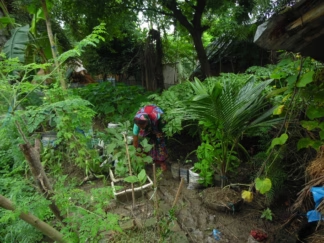
Across Rajshahi’s low-income settlements, rooftops and tiny spaces are turning green. Bottle gourds hang over small homes, spinach grows on tin roofs, tomatoes and eggplants are cultivated in sacks, while chili and coriander are planted in discarded plastic bottles. Rooftop gardening has become an important part of urban agriculture. Vegetables, spices, and fruit plants are now being grown in tubs, drums, sacks, and raised beds on city rooftops. Previously unused rooftops are gradually transforming into productive green spaces, increasing access to safe food while also helping reduce urban heat.
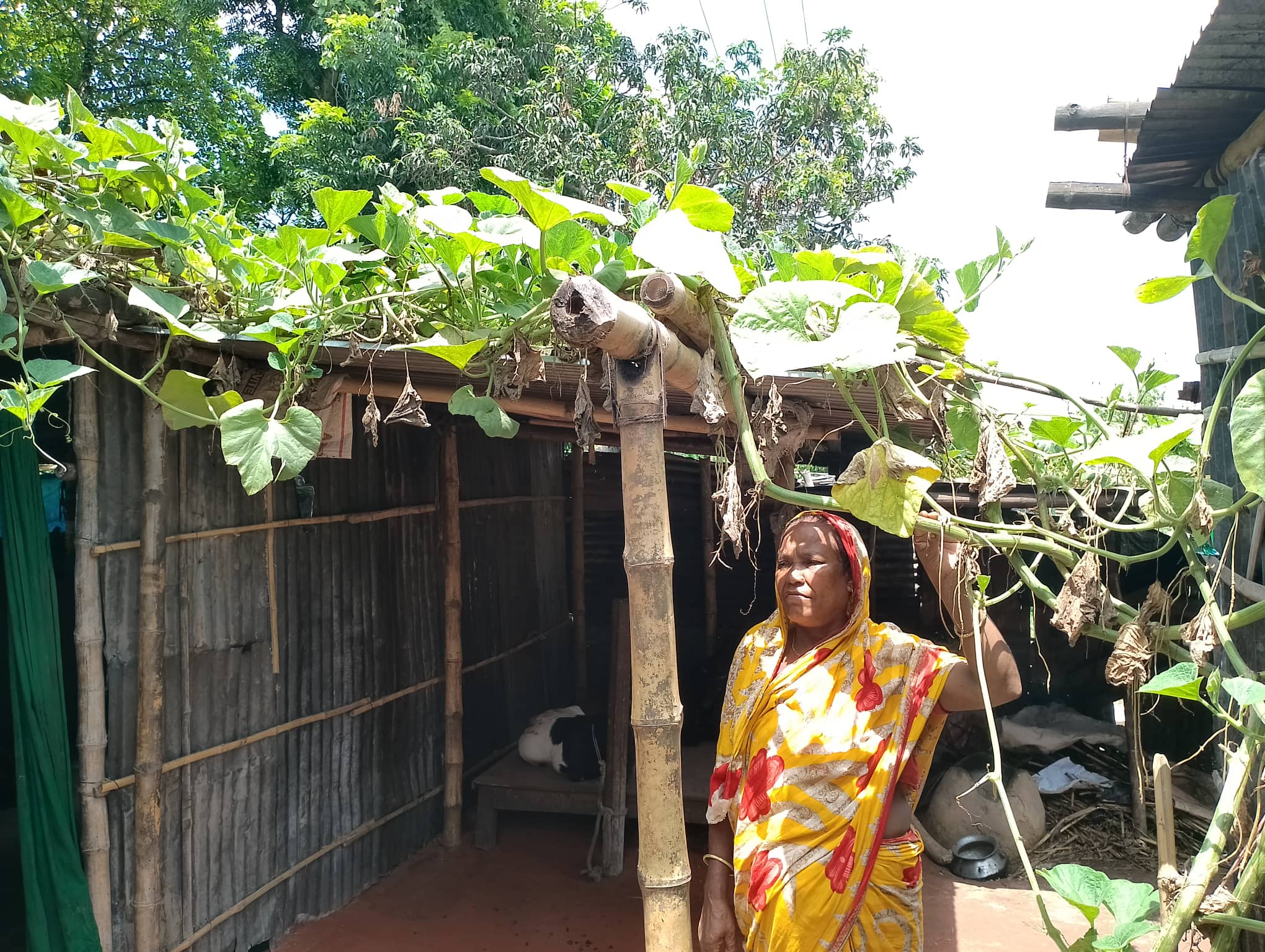
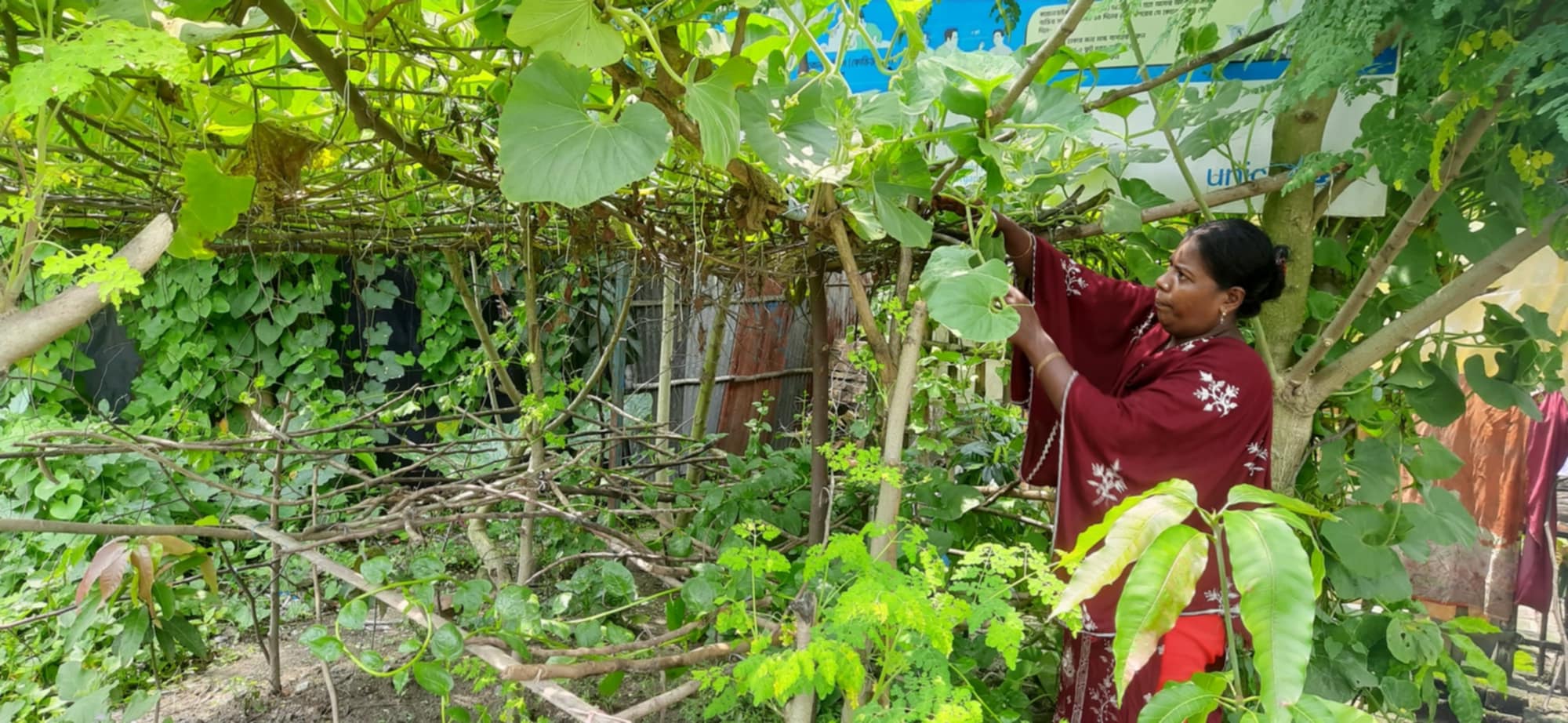
A particularly innovative method known locally as the “Bahan System” has added a new dimension to urban farming. Using bamboo, ropes, or metal structures above small houses, residents cultivate climbing vegetables such as bottle gourd, beans, bitter gourd, ridge gourd, and Malabar spinach. Slum communities in Budhpara, Namobhadra, Jamalpur, Srirampur, and Baharampur have become inspiring examples of maximizing production in limited spaces. These green canopies also provide shade and reduce the intensity of summer heat in densely built urban neighborhoods, creating both environmental and psychological comfort for residents.
Plastic Recycling and Environment-Friendly Farming
One important aspect of urban agriculture is the reuse of plastic materials. Discarded bottles, drums, buckets, containers, and sacks are now widely used for vegetable cultivation. This practice reduces environmental pollution and enables poor urban households to continue farming at very low cost.
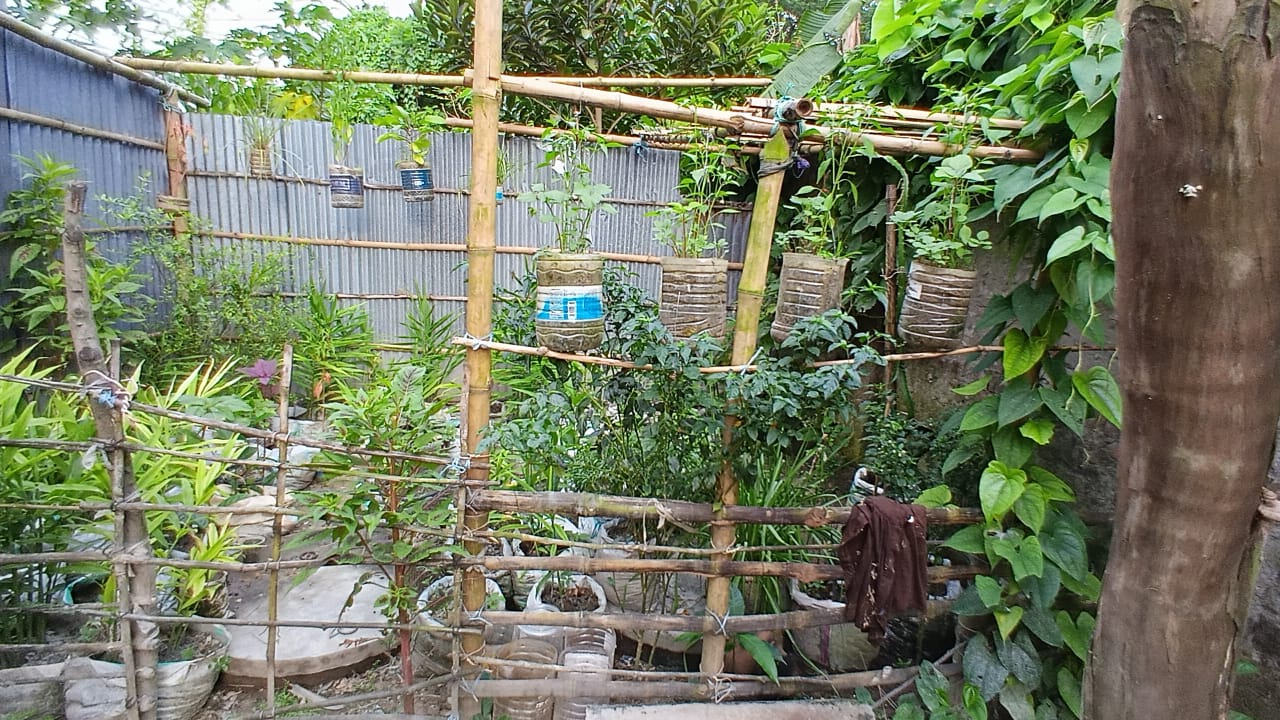
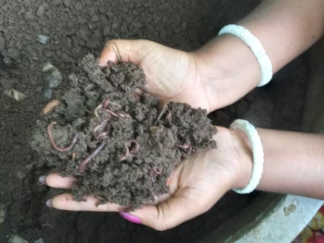
The movement has also encouraged the use of organic fertilizers and bio-pesticides, reducing dependency on chemicals and promoting safe food production. Gradually, these initiatives are evolving into a broader awareness movement around sustainable urban living and environmental responsibility.
Food Security and Economic Transformation
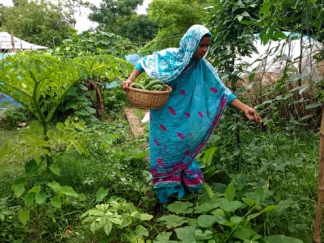
Urban agriculture has had a major impact on the livelihoods of low-income urban families. Many households that once relied entirely on market purchases for vegetables are now able to grow a portion of their own food. As a result, household food expenses are decreasing while access to nutritious food is increasing. Some families are even earning extra income by selling surplus vegetables, helping them cope with economic hardship.
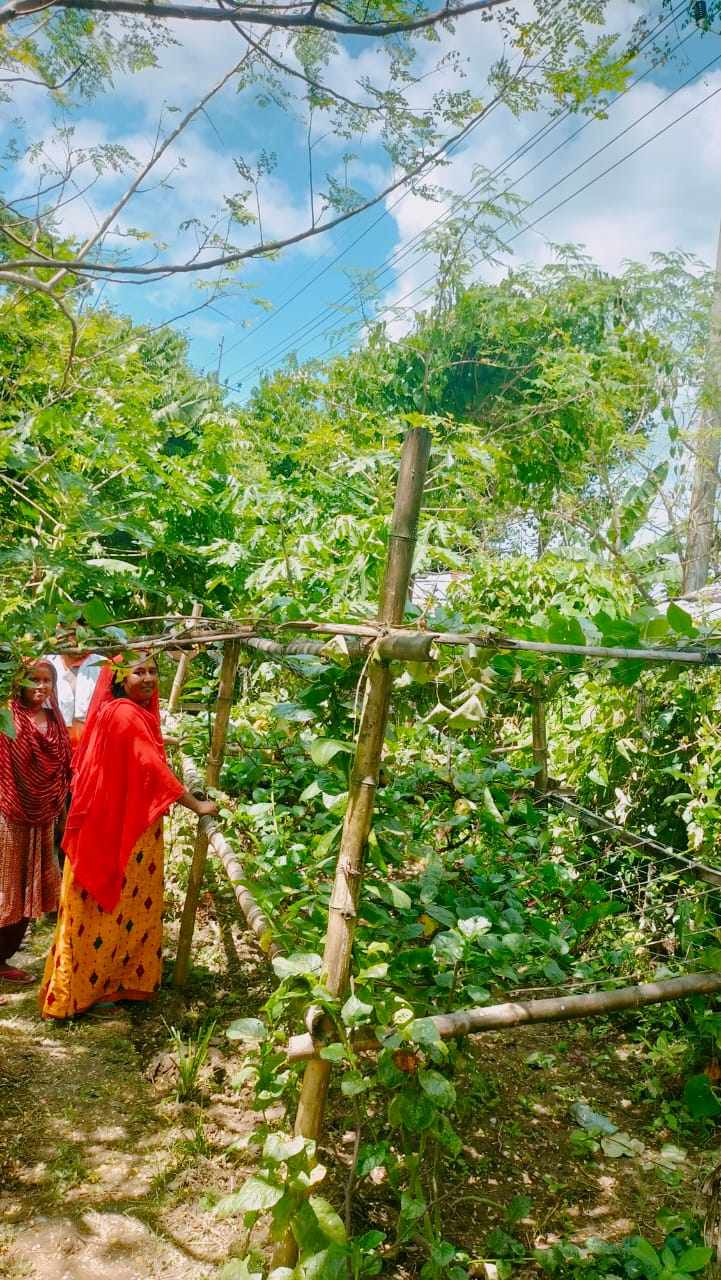
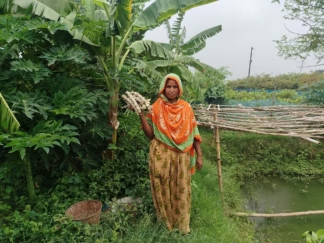
Women, in particular, have become key drivers of this transformation. Alongside household responsibilities, they are actively engaged in vegetable cultivation, seed conservation, seedling preparation, and crop care. This participation is increasing women’s confidence, decision-making capacity, and social recognition within both family and community life.
Social Solidarity and Conflict Reduction
The impact of urban agriculture extends beyond economics and the environment. It is also strengthening social relationships and cooperation.
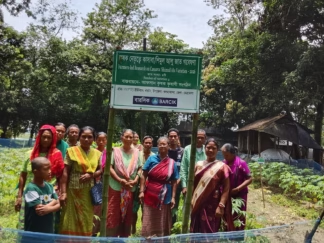
In urban slums, conflicts often arisen over limited space, water shortages, waste management, and other daily challenges. However, urban farming is creating opportunities for people to work together, exchange ideas, and support one another. Residents share seeds, exchange vegetables, teach seedling preparation, assist in building “Bahan” structures, and introduce rooftop gardening techniques to neighbors. As a result, communication and mutual trust among community members are growing stronger. Women, youth, and senior citizens are forming small support networks centered round farming activities, helping reduce misunderstandings and social isolation. This growing sense of solidarity is also improving mental well-being and creating a stronger sense of security among climate-displaced urban residents.
Urban Agriculture and Climate Adaptation
Urban agriculture is proving to be an effective climate adaptation strategy. Rooftops, courtyards, and unused urban spaces are being transformed into green zones that help to cool the local environment, purify the air, and support biodiversity. Rooftop gardens can also absorb rainwater and reduce the heat-retaining effect of concrete surfaces, helping mitigate urban heat stress.
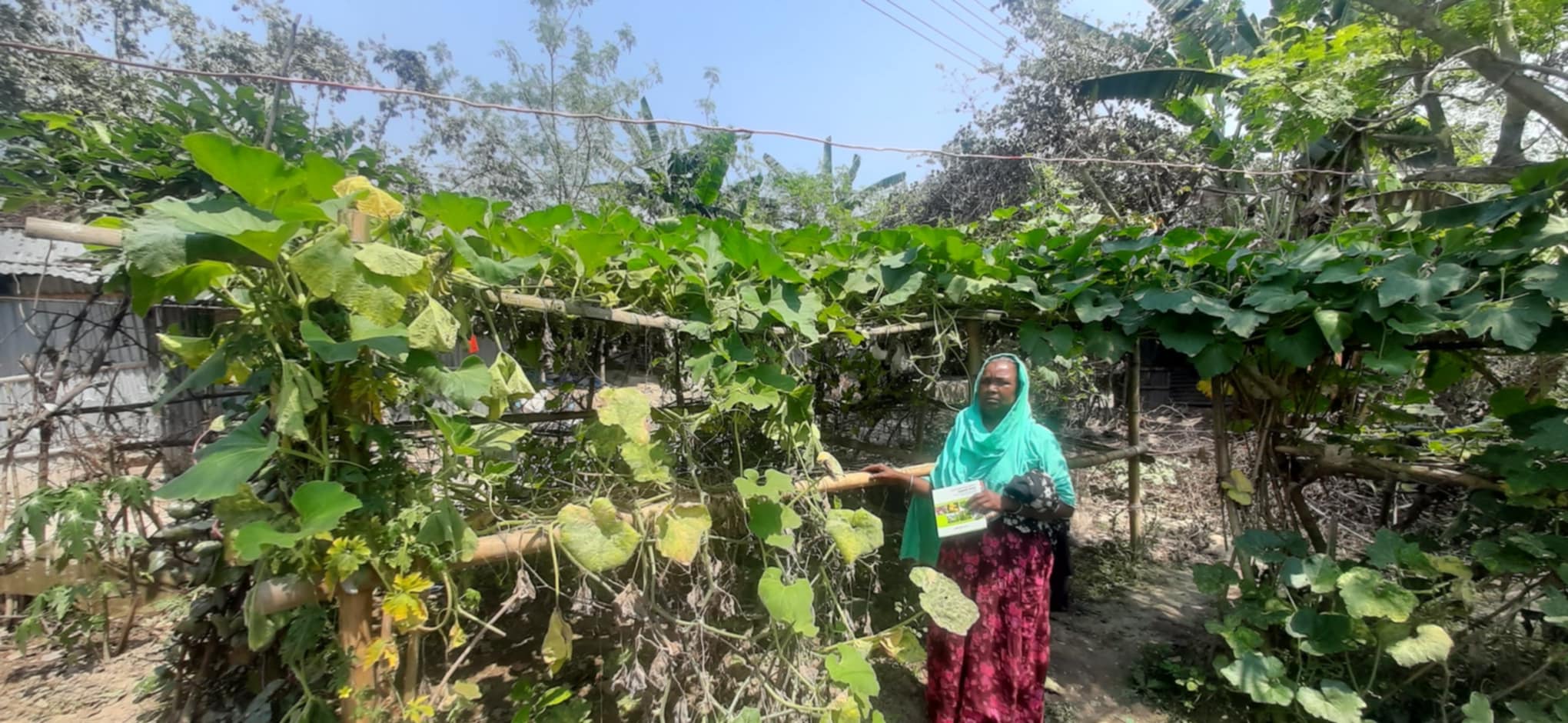
Most importantly, urban agriculture is restoring dignity and confidence among displaced and marginalized people. Those who once saw themselves merely as slum dwellers or victims are now beginning to view themselves as producers, innovators, and active contributors to positive change. A simple plastic bottle, a sack of soil, or a small rooftop garden has become a symbol of resilience and possibility.
Conclusion
The experience of urban agriculture in Rajshahi demonstrates that addressing climate change and rapid urbanization requires more than infrastructure development. It demands community empowerment, social solidarity, local knowledge, and participatory initiatives. For the urban poor, these green practices are not merely agricultural activities; they represent climate justice, food rights, social harmony, and the vision of a more livable city.
For climate-displaced communities, urban agriculture has become more than a livelihood strategy; it is a pathway to survival, dignity, and renewed hope for the future. Rajshahi’s experience offers an inspiring model that can be replicated in other urban areas of Bangladesh.