By Rajshahi team of BARCIK
Beneath the sprawling shade of a 350-year-old tamarind tree in Mohor village of Tanore upazila, nature seemed to speak in its own language. The birds whispered, “Trees are our safest shelter.” Earthworms replied, “We keep the soil alive and fertile.” The soil itself seemed to say, “Fallen leaves nourish me and give birth to new life.”
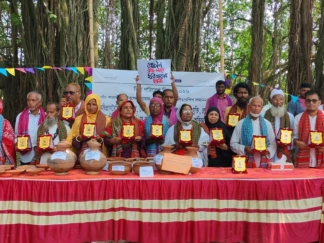
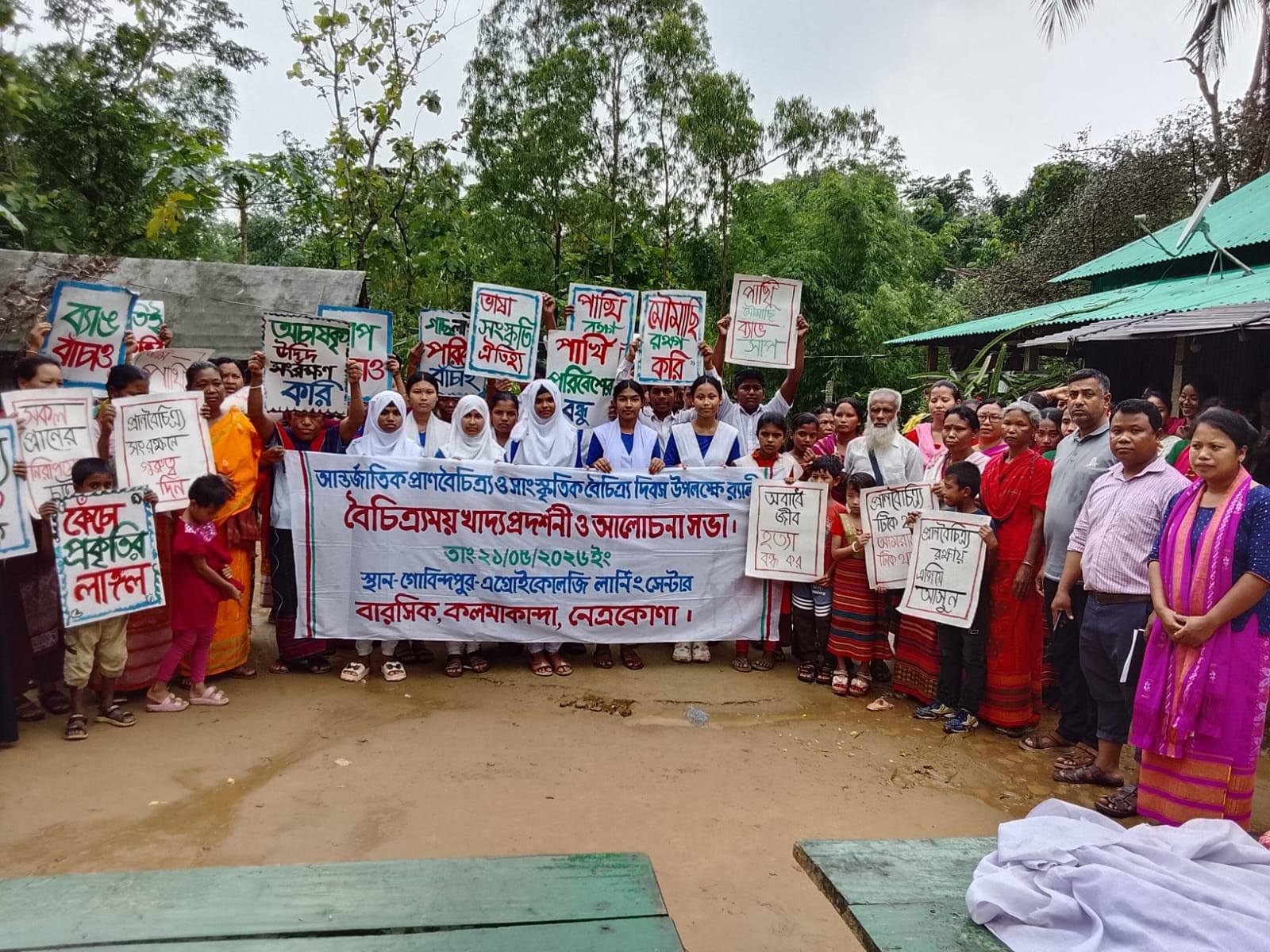
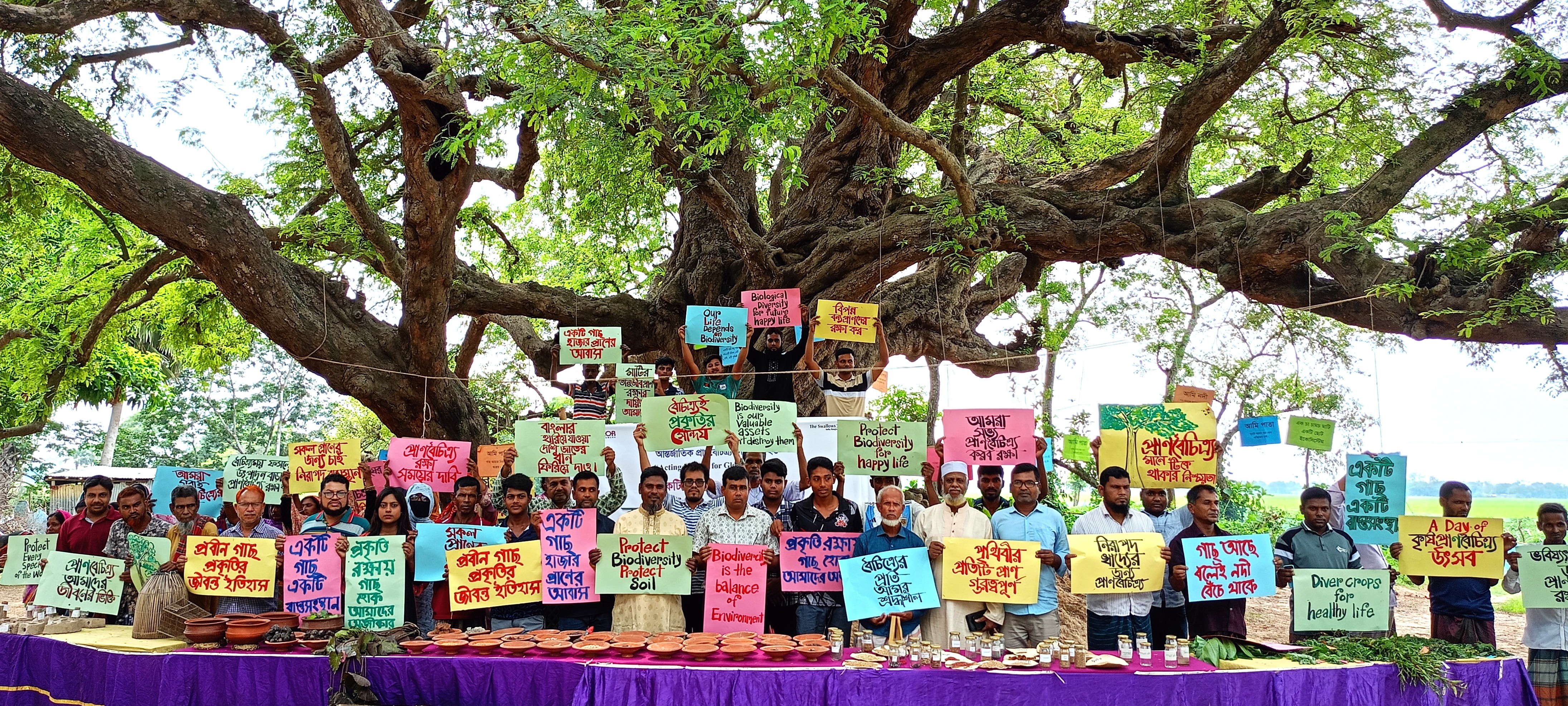
With this living connection between nature and humanity at its heart, an “Agro-Biodiversity Festival” was held on Thursday, 21 May, ahead of International Day for Biological Diversity 2026. The festival was organized jointly by the Tanore Upazila People’s Organization Coordination Committee, Green Coalition, and BARCIK under the theme “One Tree, One Ecosystem.”
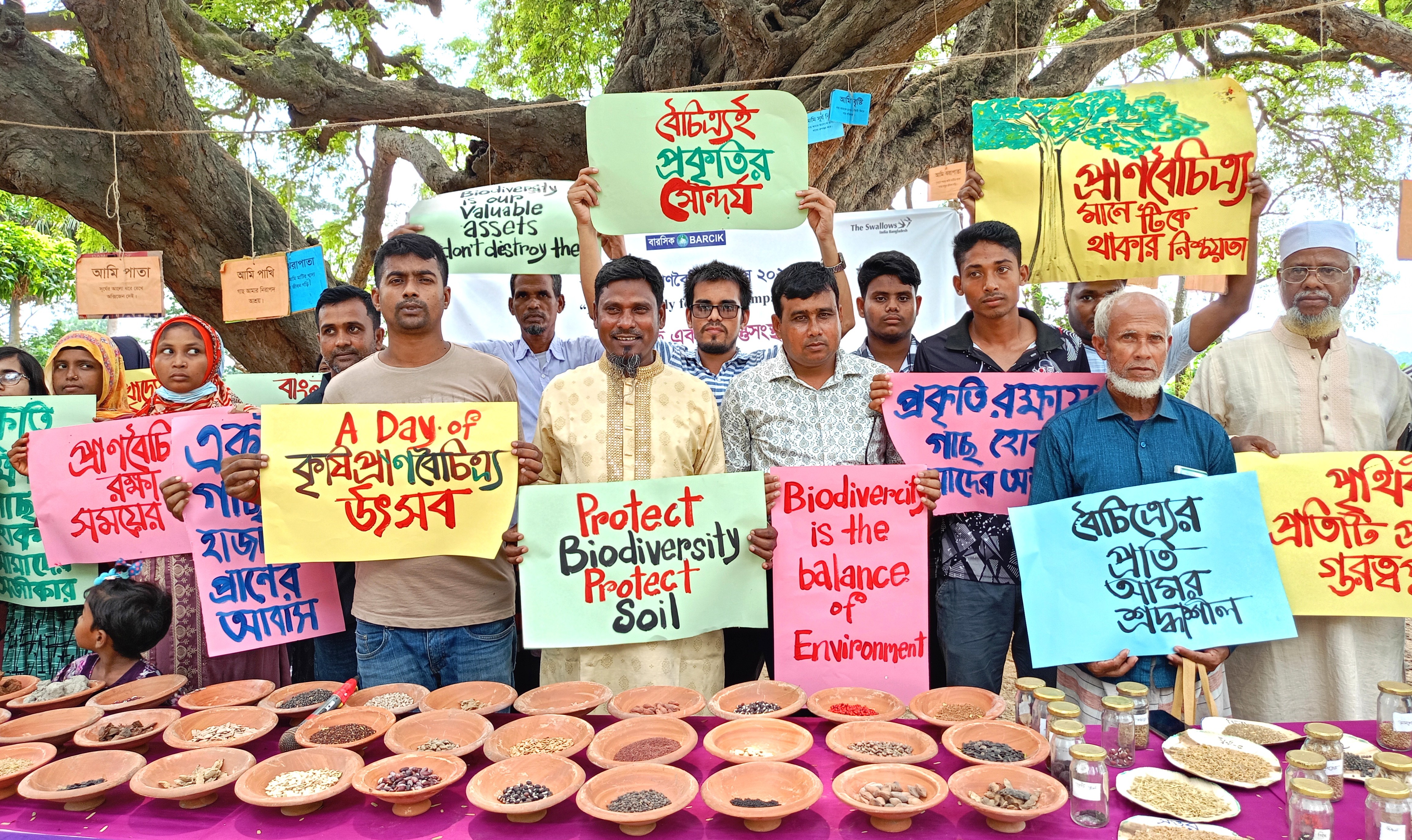
The festival aimed to inspire people to rethink their relationship with nature and to highlight the importance of conserving indigenous biodiversity and agroecology. Organizers said that a single tree is never just a tree rather it is a living ecosystem. Beneath its roots thrive millions of microorganisms, while its branches provide refuge to birds, squirrels, bees, and countless beneficial insects. Around an old tree, an entire web of life flourishes.
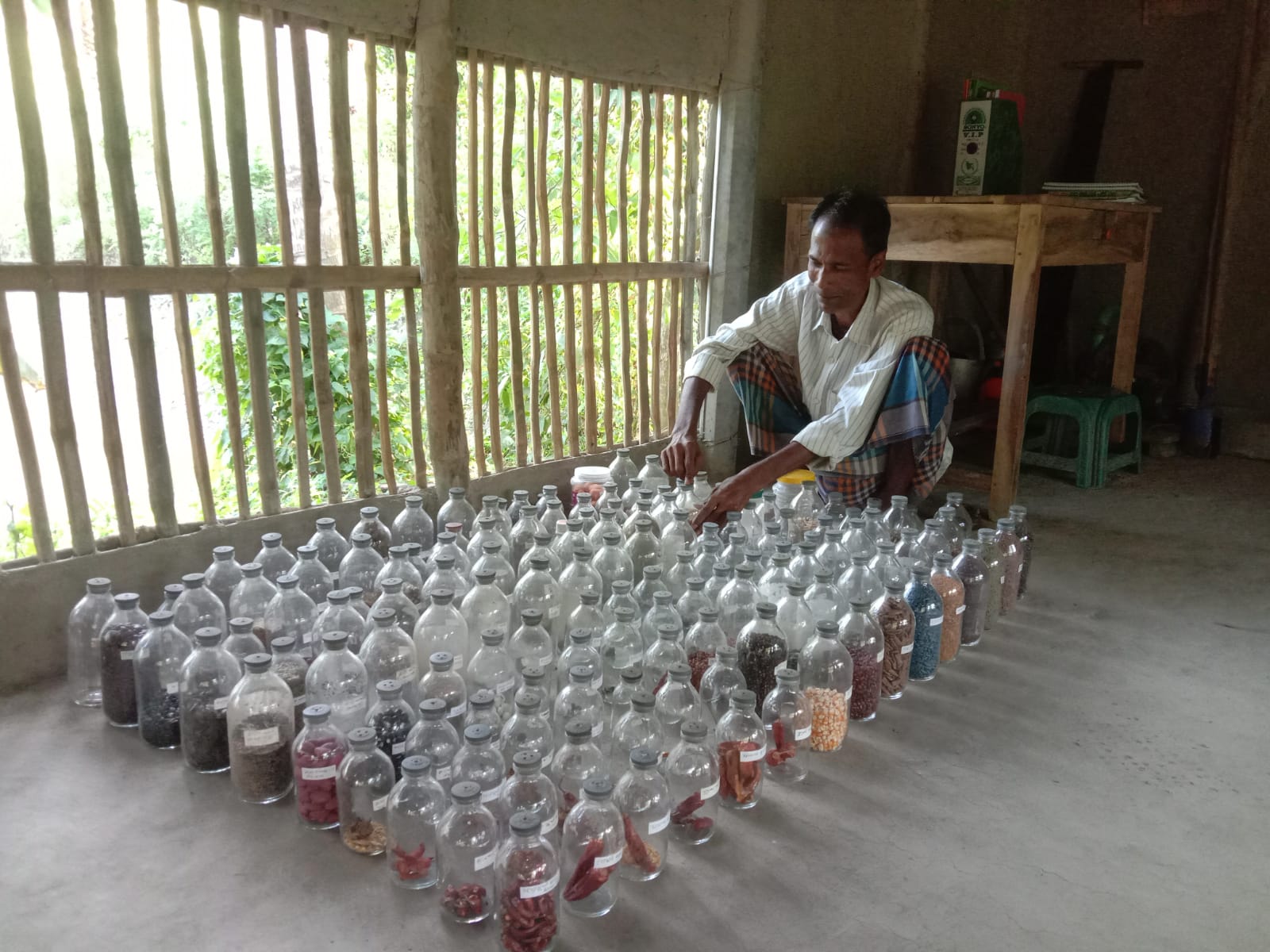
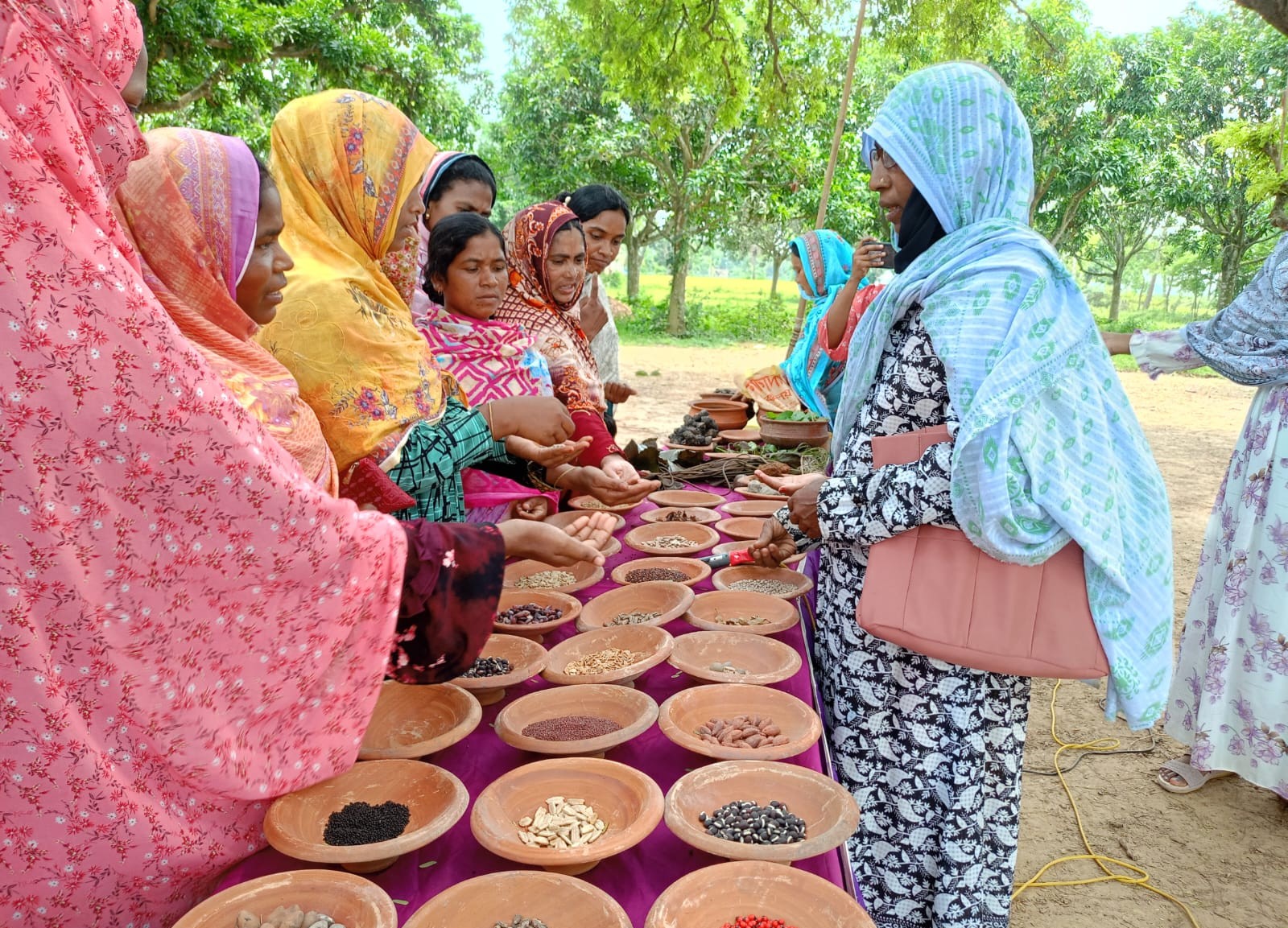
The festival grounds reflected this vibrant ecological connection. Farmers and community members displayed 140 varieties of indigenous rice, wheat, and vegetable seeds. Elements of aquatic ecosystems such as water lilies, lotus, snails, shells, and traditional eco-friendly fishing tools were also exhibited. Participants displayed 45 species of uncultivated leafy vegetables, different soil types and river water collected from the Barind region, as well as environment friendly cooking ovens. Through these displays, the festival demonstrated how every component of nature is interconnected. Farmers also exchanged seeds among themselves, keeping alive the tradition of community seed sharing.
The event was moderated by BARCIK Program Officer Amreto Sarkar. Presenting the concept note of the festival and the significance of International Biodiversity Day, Barind Youth Forum President Md. Atikur Rahman Atik said, “Biodiversity is not only about wildlife or forests; it is the foundation of food, water, health, agriculture, economy, and culture.” He went on saying, “Today, the global community sees the nature economy as the future of sustainable development. Agriculture, forestry, fisheries, construction, and food systems all directly depend on biodiversity. Protecting, respecting, and restoring our biological resources is now one of humanity’s greatest responsibilities.”
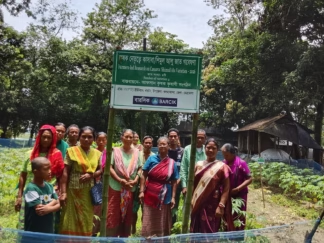
Farmers, teachers, students, and youth activists from ten villages of Tanore participated in the festival and shared their experiences of protecting biodiversity.
Farmer and President of the Barind Seed Bank, Md. Zaidur Rahman (55) from Duboil village, said, “Every year I cultivate 170 indigenous rice varieties during the Aus, Aman, and Boro seasons to conserve our local rice diversity. I exchange these seeds with other farmers because if these varieties disappear, our history, heritage, and rural cultural traditions such as Nabanna will also disappear.”
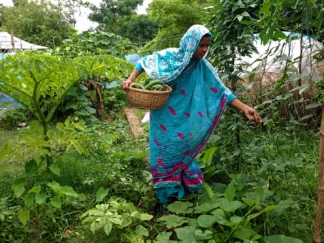
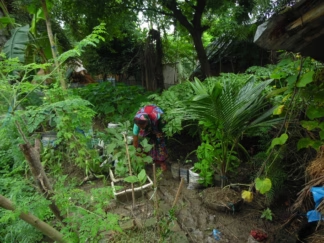
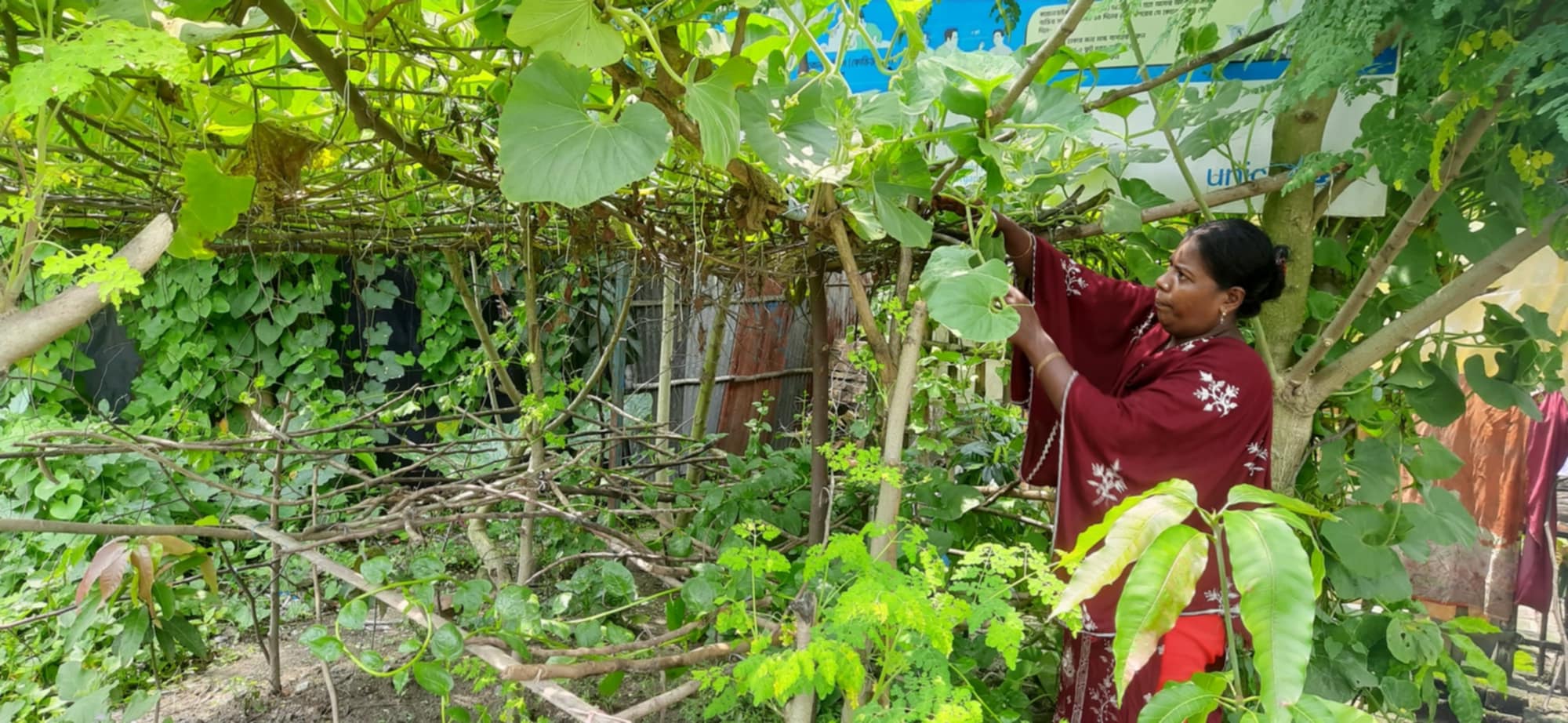
Mosammat Setara Begum (46), a woman farmer from Jagadishpur village, spoke passionately about toxin-free farming. “I grow vegetables without chemical fertilizers and use organic pest control methods. I also conserve different types of seeds at my house, and people from nearby areas collect seeds from me,” she said. She added, “In the past, many uncultivated leafy vegetables grew naturally around our homes, but now they are disappearing. I cultivate 30 species of uncultivated greens in my homestead. These provide nutrition for my family and also protect these species from extinction. I grow poison-free vegetables and eat healthy food.”
Indigenous farmer Monica Tudu (45) from Mondumala village expressed concern over the disappearance of aquatic biodiversity saying, “Many edible snails, shells, and aquatic species that were once part of our food and culture are now vanishing.” She further said. “I am working to conserve snails, shells, water lilies, and aquatic plants in a pond so that aquatic biodiversity can survive for future generations.”
Self-taught agricultural scientist Nur Mohammad (65) from Gollapara village warned about the excessive use of pesticides and chemical fertilizers. He said, “If we want to protect biodiversity for the future, we must stop the reckless use of pesticides in crop fields”. Referring to the once biodiversity-rich Kumari Beel, he added, “Due to intensive farming and excessive chemical use around Kumari Beel and Beel Joana, many fish species and aquatic organisms have disappeared. Through the Green Coalition, we are organizing meetings and discussions at different levels to stop the overuse of pesticides and protect these wetlands.”
The festival ended with a collective pledge from farmers, youth, and community members to protect seeds, soil, water, trees, and all forms of life that sustain the earth and human civilization.