By Barsha Gain from Shyamnagar, Satkhira
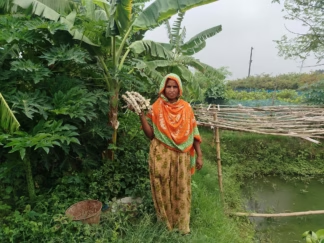
In the coastal village of Dhumghat, where climate uncertainty and soil challenges often dictate the rhythm of life, one woman is quietly rewriting the story of rural agriculture. At 43, Alpana Rani Mistry has emerged as a powerful example of how determination, local knowledge, and sustainable practices can reshape agriculture and entire communities.
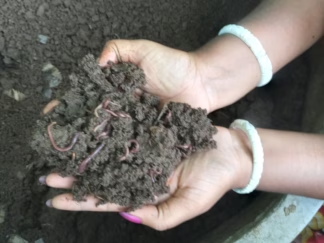
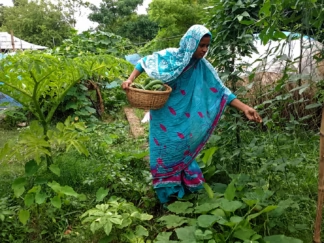
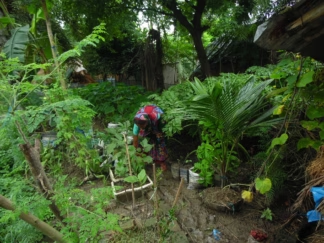
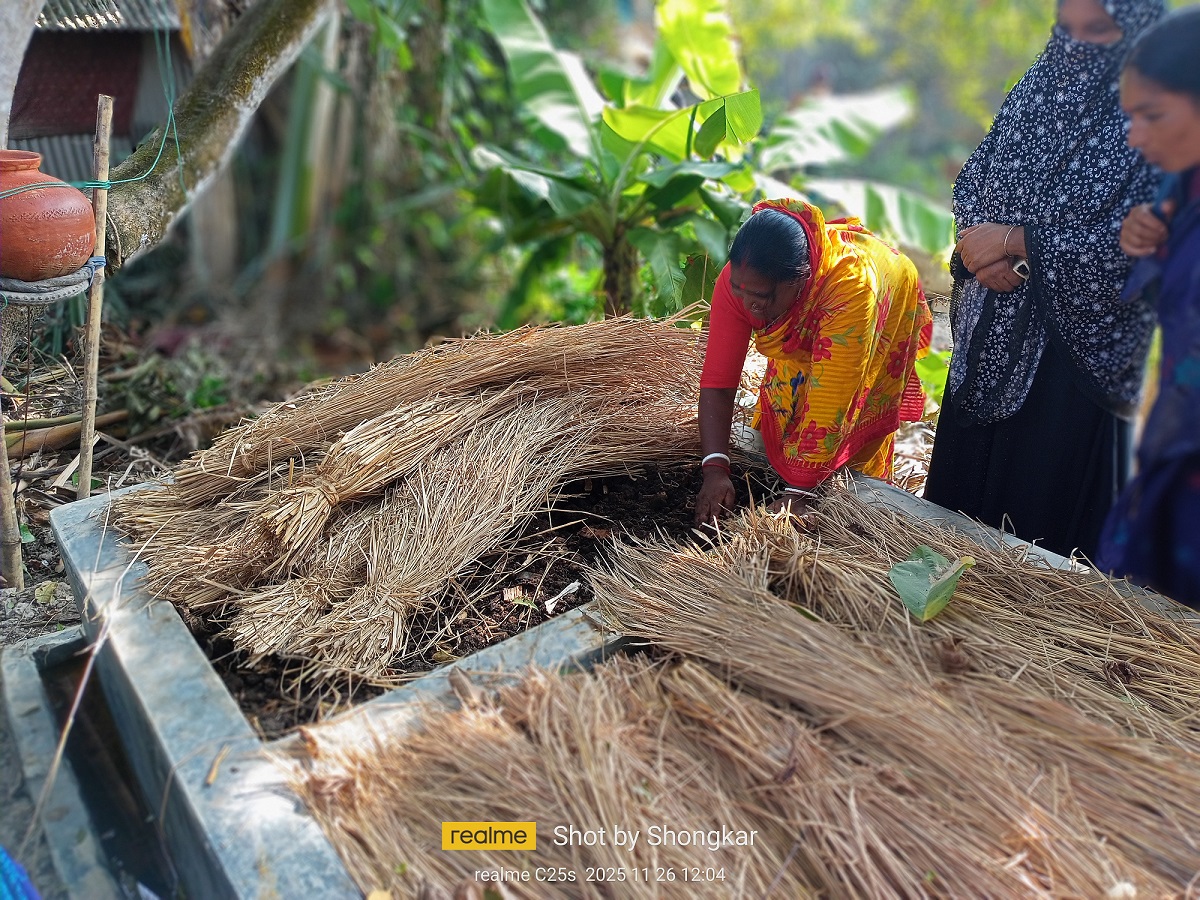
Balancing the responsibilities of a six-member household, Alpana Rani did not limit herself to traditional roles. Instead, she turned her homestead into a thriving model of agroecological practices. Her farming system is rooted in organic principles using vermicompost, liquid manure, and natural pest control methods completely avoiding chemical fertilizers and pesticides.
 oplus_16
What sets her apart is not just what she grows, but how she grows it. Using locally available materials such as leaves, fruits, tobacco, lime, and ash, she produces her own natural pesticides. This approach ensures that her crops are safe, healthy, and environmentally sustainable. Over time, her land has become more fertile, her yields more reliable, and her produce more nutritious.
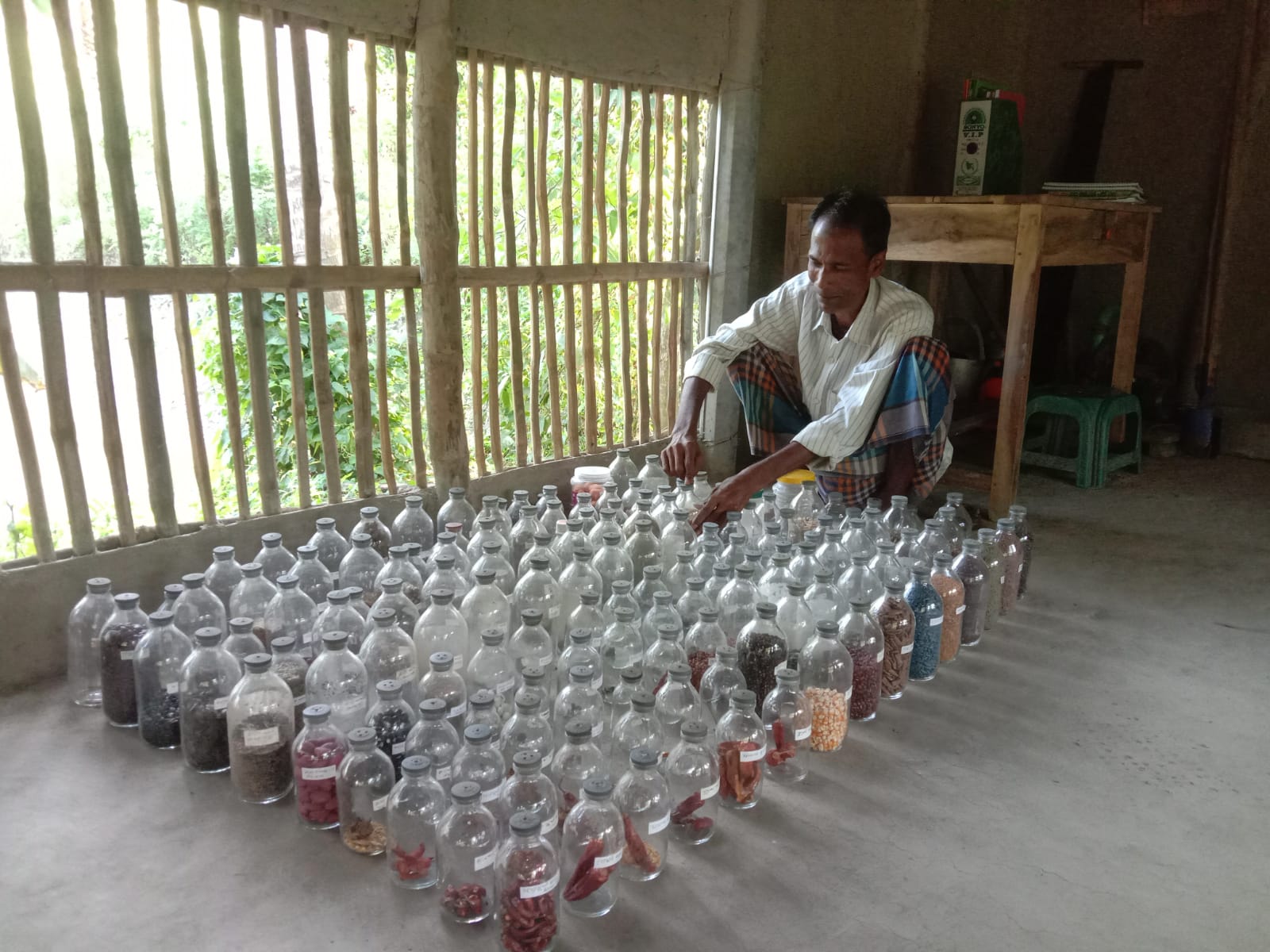
But Alpana Rani’s impact does not stop at her own farm. Recognizing the importance of preserving agricultural heritage, she established a community seed bank, safeguarding local crop varieties that are often at risk of disappearing. This initiative has become a vital resource for farmers in the area, ensuring access to resilient, indigenous seeds.
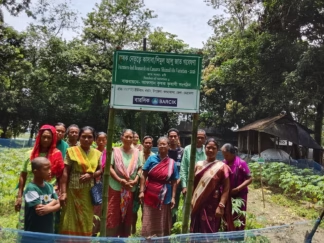
Her homestead has also evolved into a vibrant Agroecolgical learning center. Farmers both men and women from nearby villages and distant regions regularly visit to observe, learn, and exchange ideas. Training sessions on organic farming, seed conservation, and livestock management are held, turning her home into a hub of grassroots innovation.
Perhaps her most transformative contribution lies in empowering other women. Alpana Rani has inspired many rural women to step into income-generating activities, breaking traditional barriers. She has helped organize women’s groups, encouraged savings practices, and facilitated access to small loans. Today, these women are contributing to their household incomes and gaining confidence and recognition within their communities.
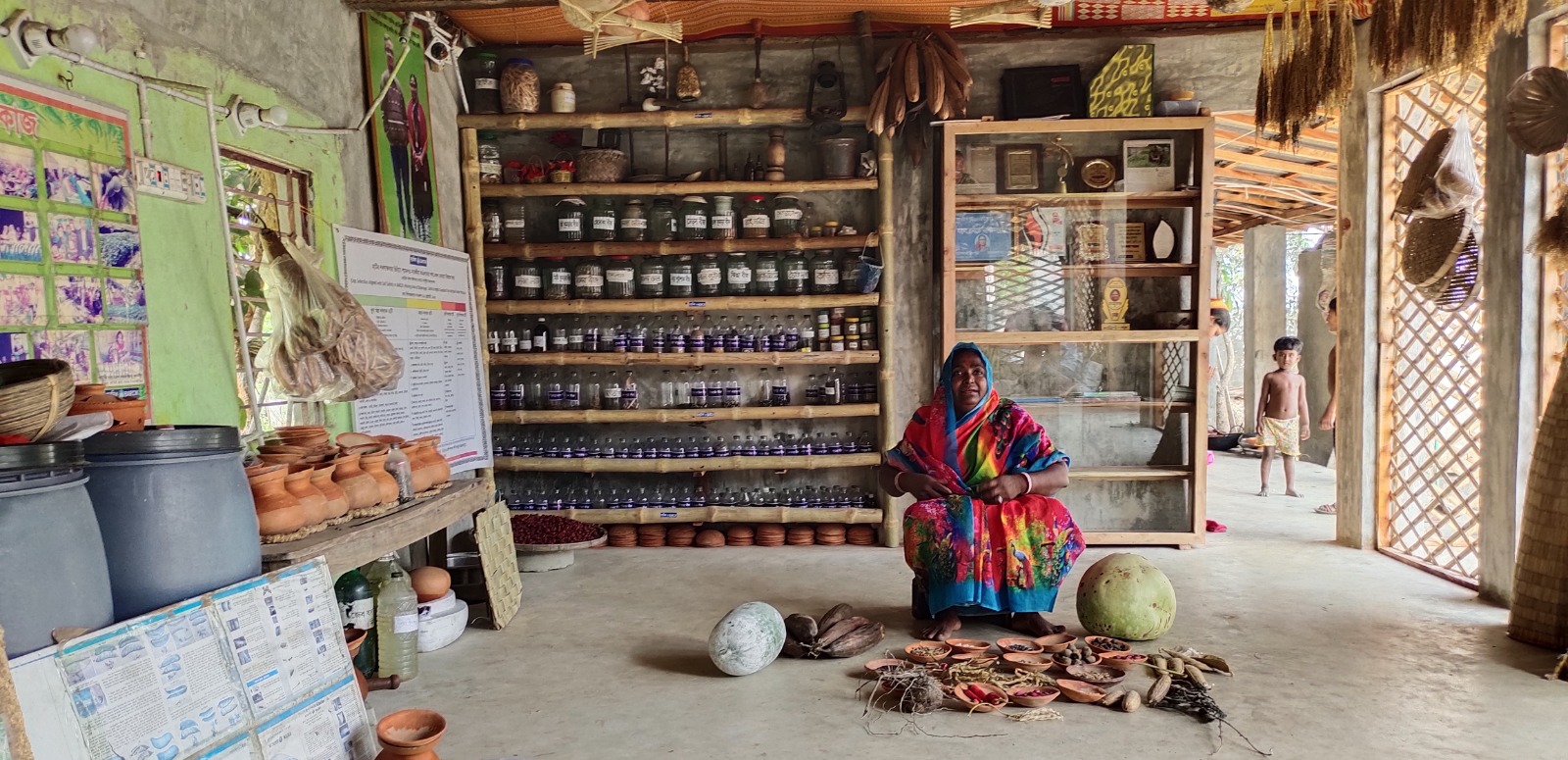
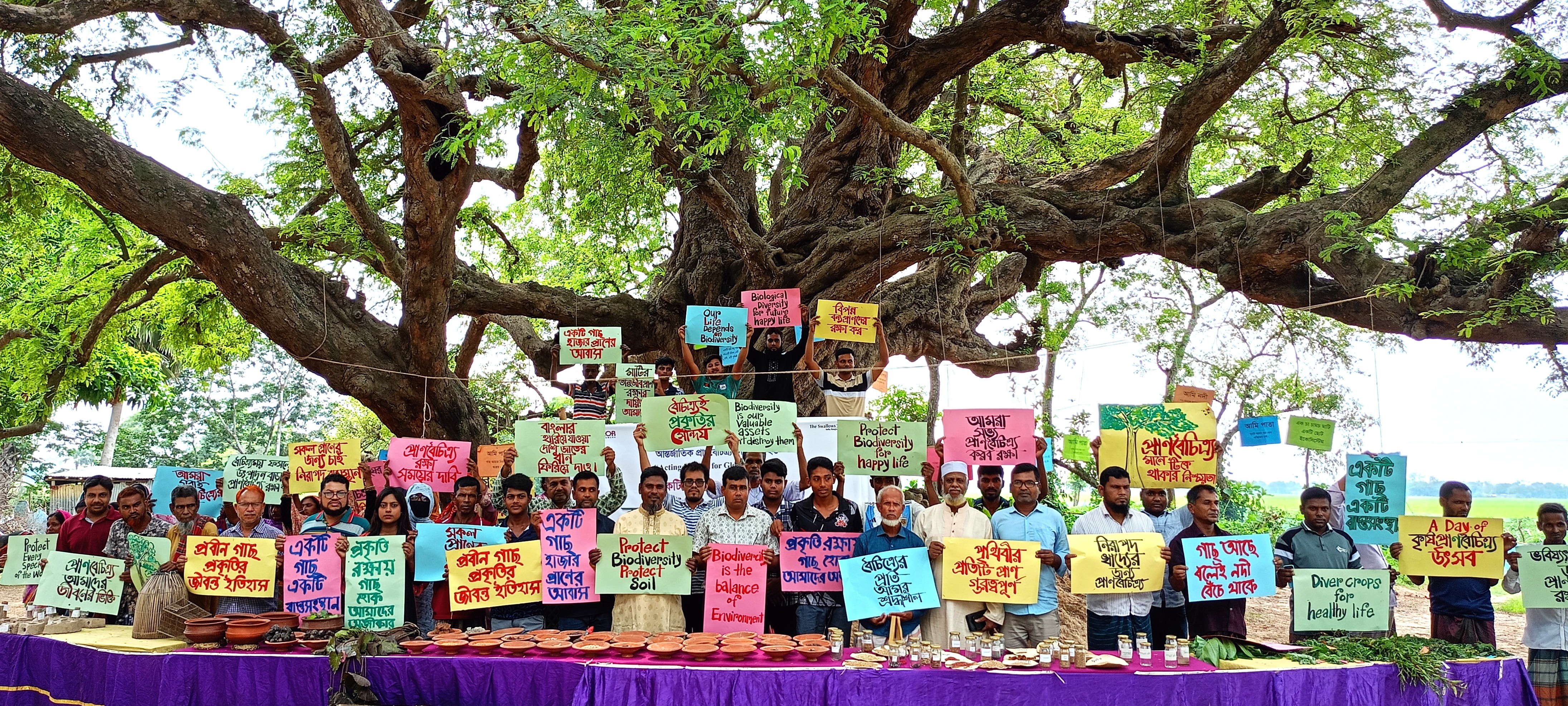
Her leadership has led to the formation of multiple seed banks and at least 12 women’s groups, significantly expanding the reach of biodiversity based agroecological practices. As more farmers adopt organic methods, the local agricultural landscape is gradually shifting toward safer and more resilient systems.
Economically, her efforts have brought tangible results. Alpana Rani produces safe food year-round for her family while earning approximately 60,000–65,000 taka annually from vegetable sales. Additional income from seeds, earthworms, and livestock has strengthened her household’s financial stability.
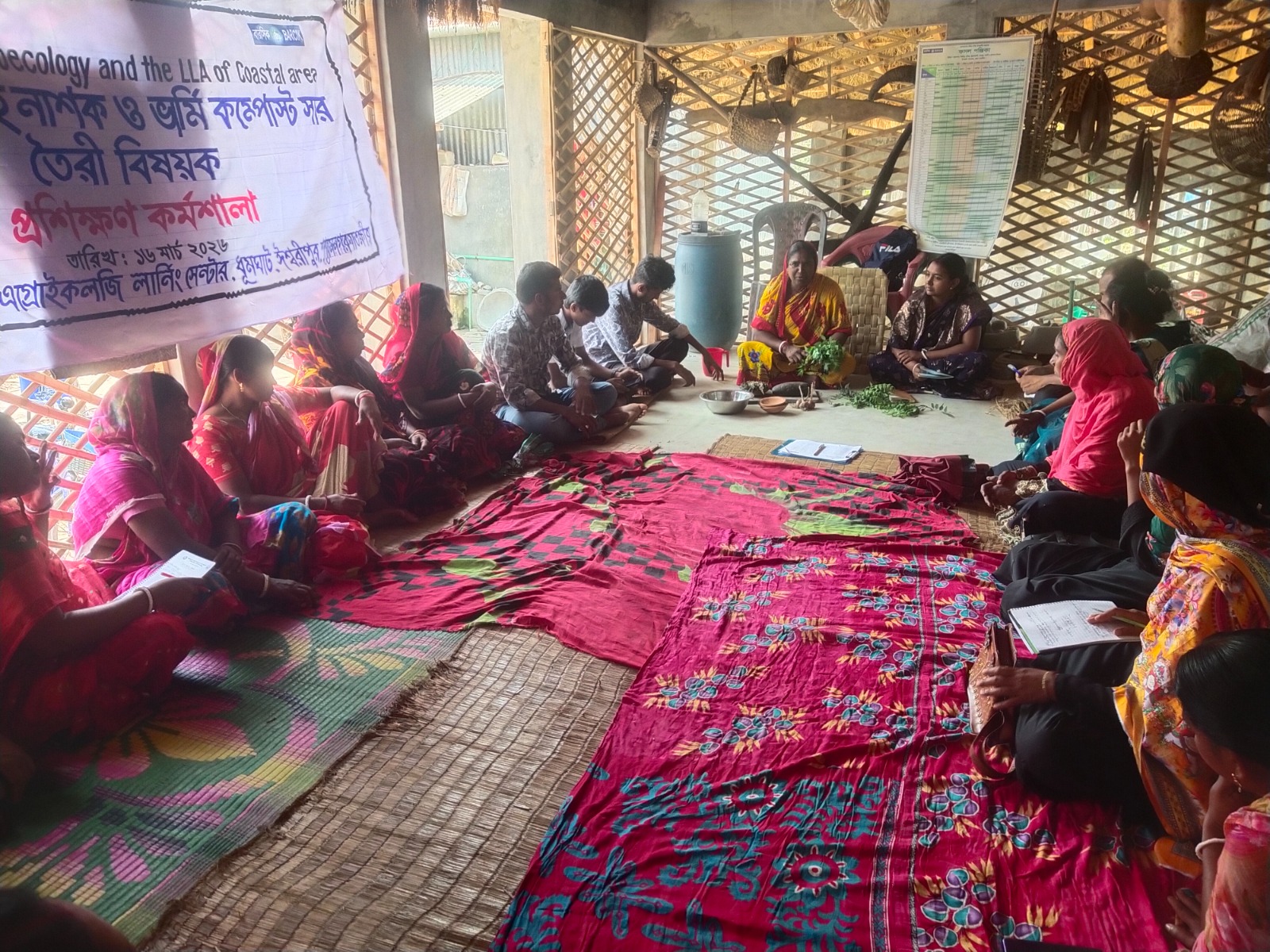
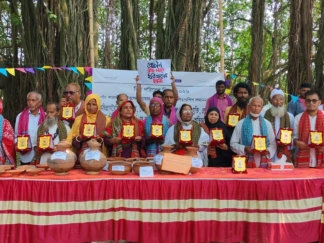
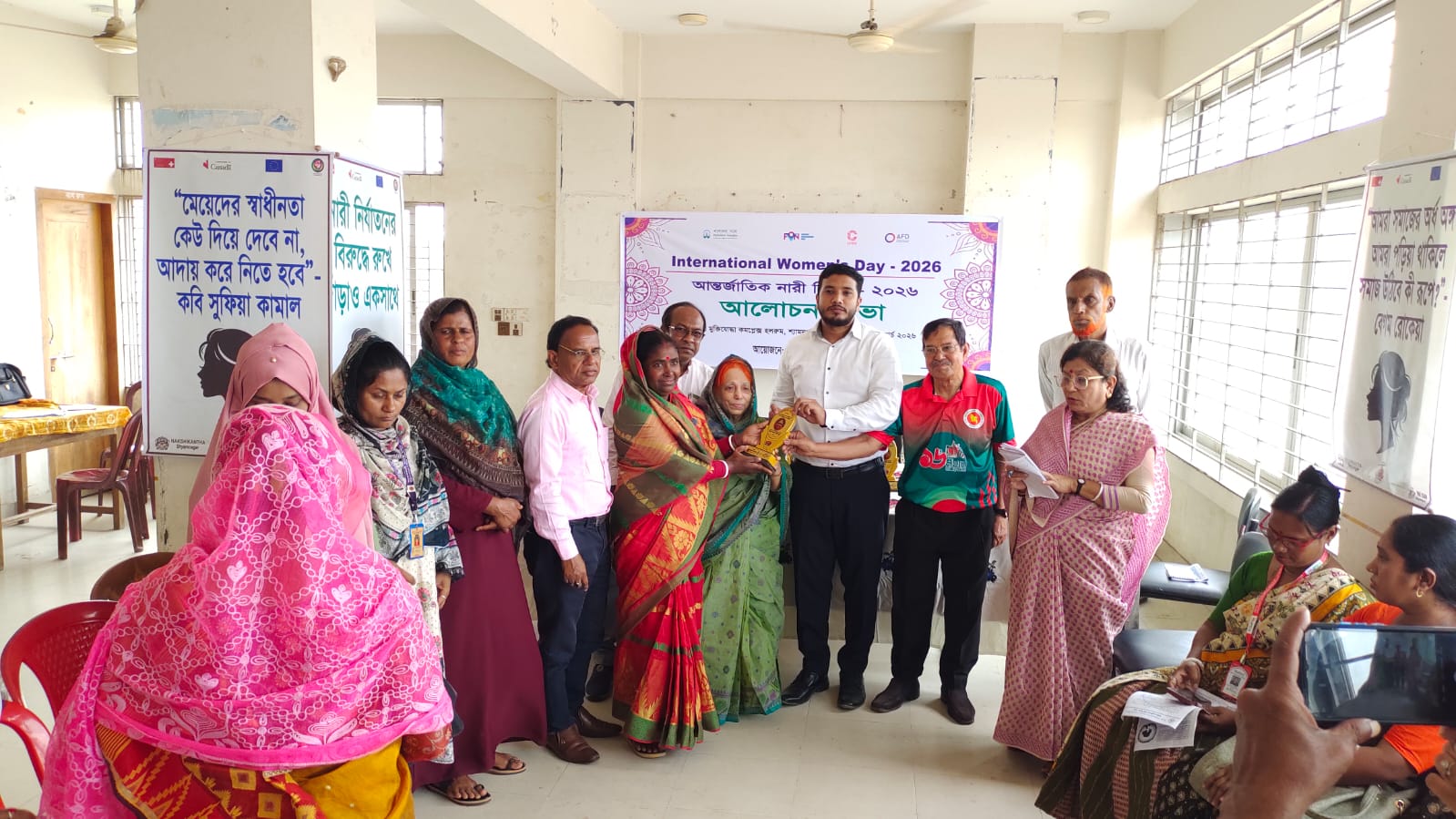
Her achievements have not gone unnoticed. She has received prestigious recognitions, including the Joyita Award and the National Agriculture Award, honoring her contributions to agriculture and women’s empowerment.
Reflecting on her journey, Alpana Rani said, “Through this work, I have improved food security, nutrition, and family income. People respect me now and come to me for advice. I try my best to support everyone.”
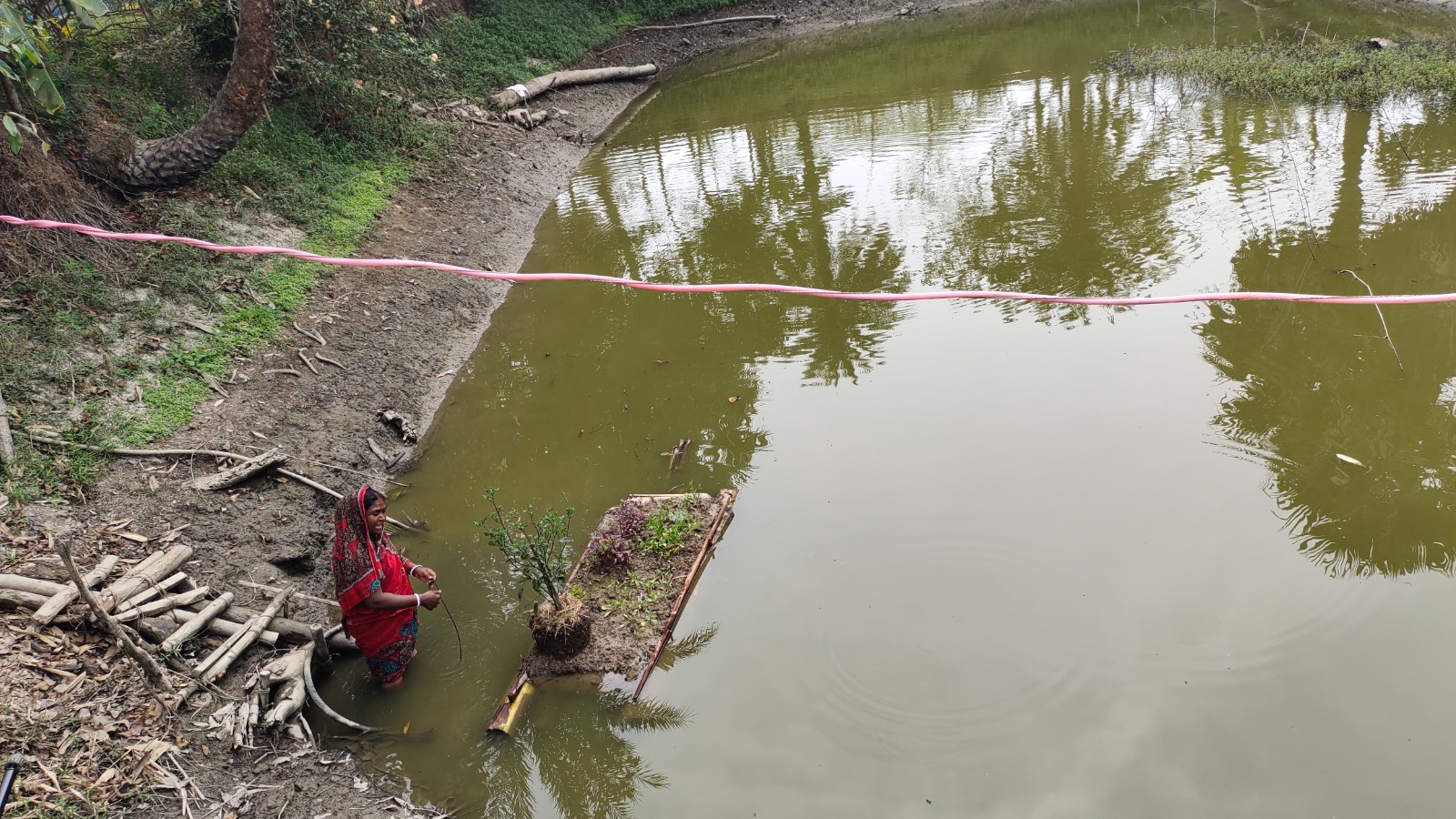
In a region vulnerable to climate change, her work offers a hopeful path forward. By combining traditional knowledge with sustainable techniques and collective action, Alpana Rani Mistry is proving that meaningful change can begin at the grassroots.