By Mofijur Rahaman from, Shyamnagar, Satkhira
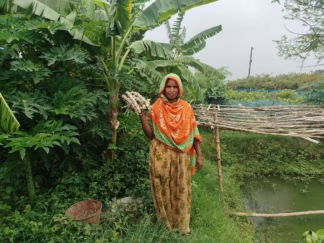
Farmer Gobinda Mondal of South Shreefalkati village under Ishwaripur Union in Shyamnagar Upazila, Satkhira, has become an inspiring example of indigenous seed conservation and agroecological farming in coastal Bangladesh.
The 51-year-old farmer, who supports a family of six, transformed his farming practices after becoming associated with BARCIK. His work in conserving local seed varieties, practicing agroecology, and promoting seed exchange is now motivating many farmers in the region.
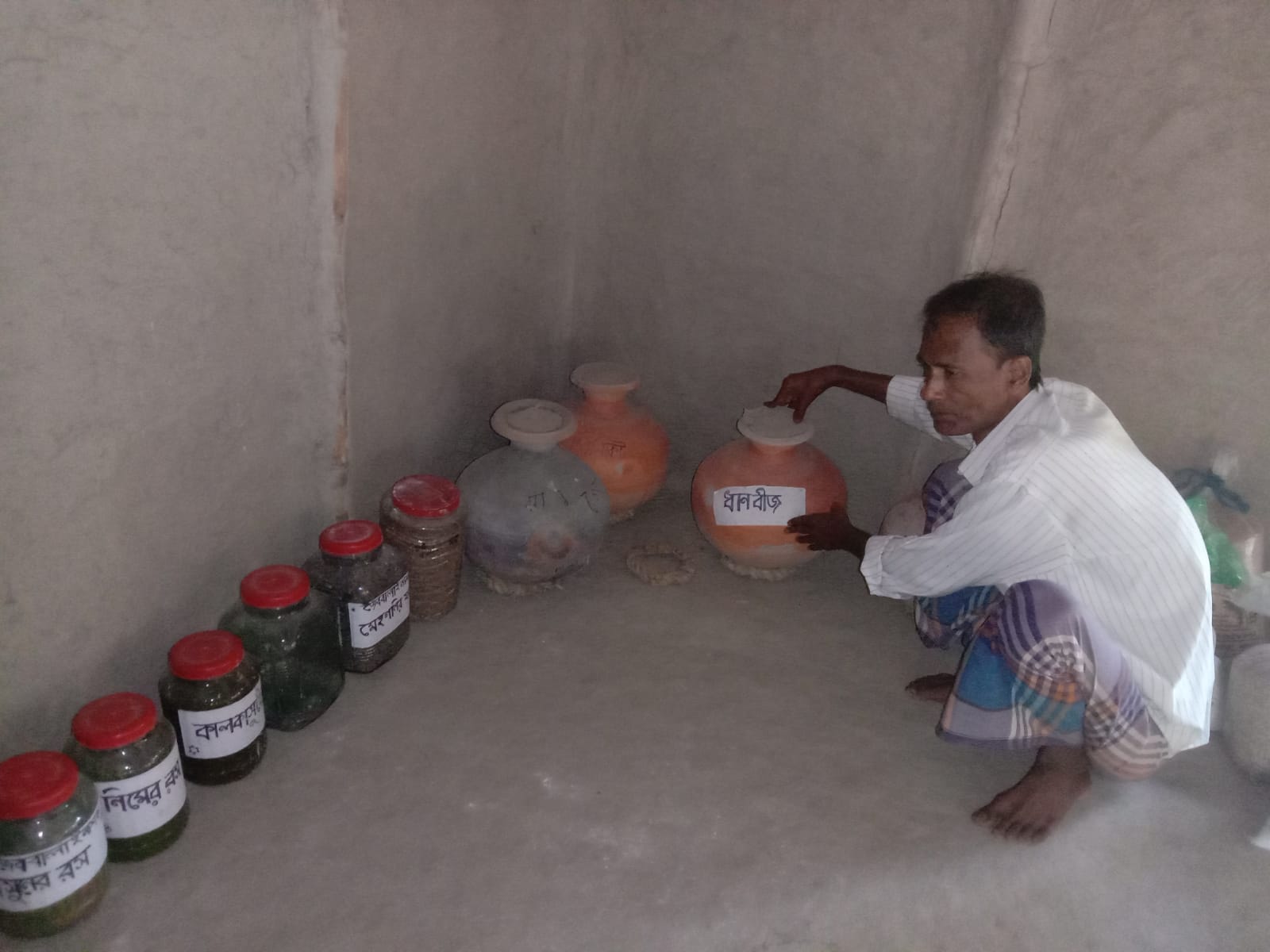
Gobinda recalls that he once farmed like most conventional farmers, relying on purchased seeds and paying little attention to seed conservation. His perspective changed after participating in BARCIK’s activities and visiting local seed banks and agroecology learning centers in nearby villages. There, he observed how farmers conserved and reused their own seeds season after season. These experiences convinced him that conserving indigenous seeds reduces farming costs and strengthens farmers’ independence and food sovereignty.
Today, Gobinda manages his farming in a planned and organized manner. He said, “Earlier, I just cultivated crops; now I cultivate with understanding.” His confidence and knowledge about sustainable agriculture have grown significantly over the years.
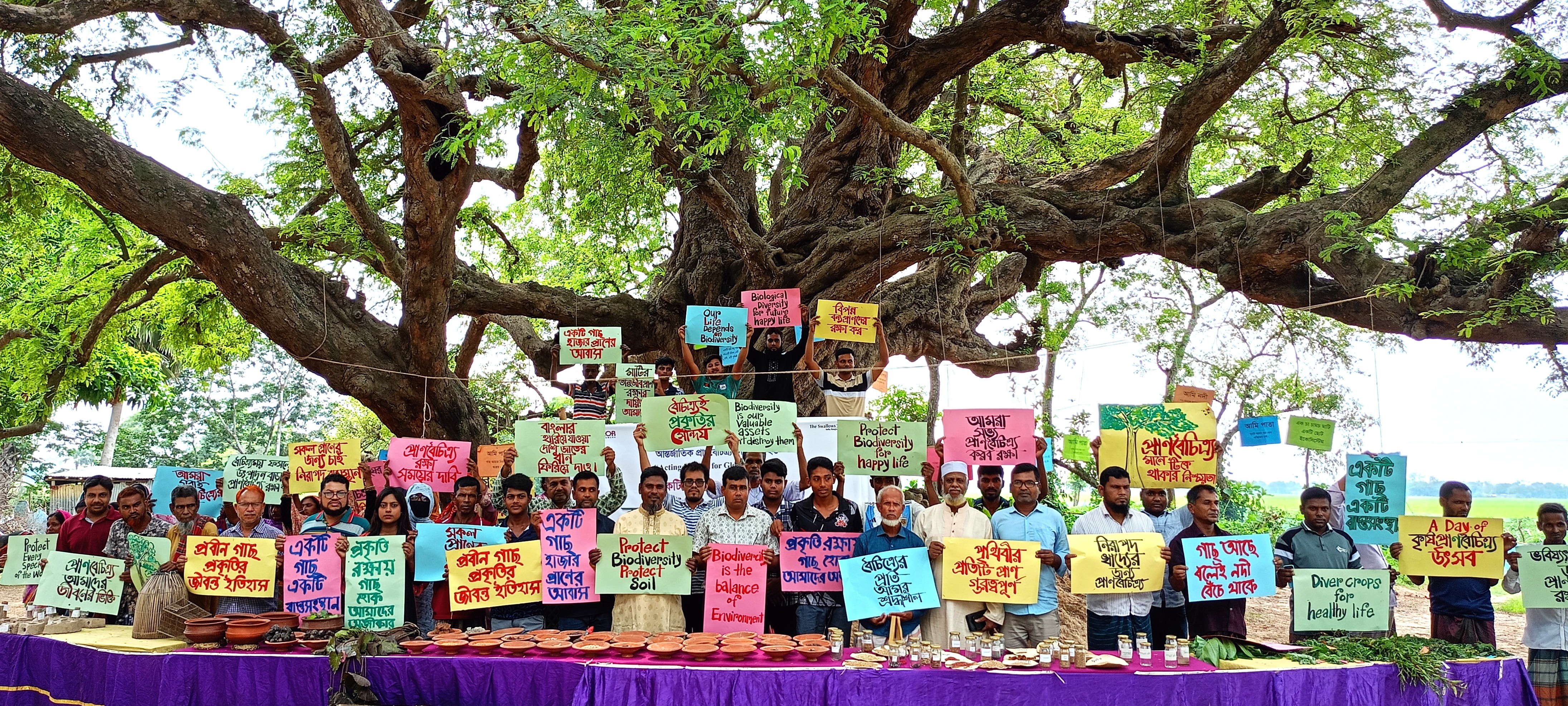
Initially, he faced difficulties in conserving native seeds because of the lack of proper storage containers. With support from BARCIK, he began using glass jars and earthen pots for seed storage. He follows traditional conservation methods, using neem leaves and naphthalene to protect seeds from insects. The clay pots are tightly sealed with straw and mud to keep out moisture and air, helping maintain seed quality and germination capacity for long periods.
To ensure quality, Gobinda dries the seeds in sunlight three times a year before storing them again. At present, his seed bank contains seven indigenous rice varieties and around 140 varieties of local vegetables. His house has effectively become a farmer-led community seed bank.
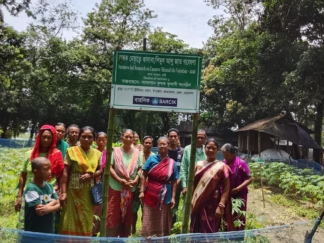
Beyond conserving seeds for his own use, Gobinda distributes seeds among neighboring farmers, relatives, and local organizations through exchange or free sharing. This year alone, 151 people collected vegetable seeds from his seed bank. Inspired by his initiative, many local farmers have started conserving seeds in their own houses, helping to revive the practice of indigenous seed conservation across the area.
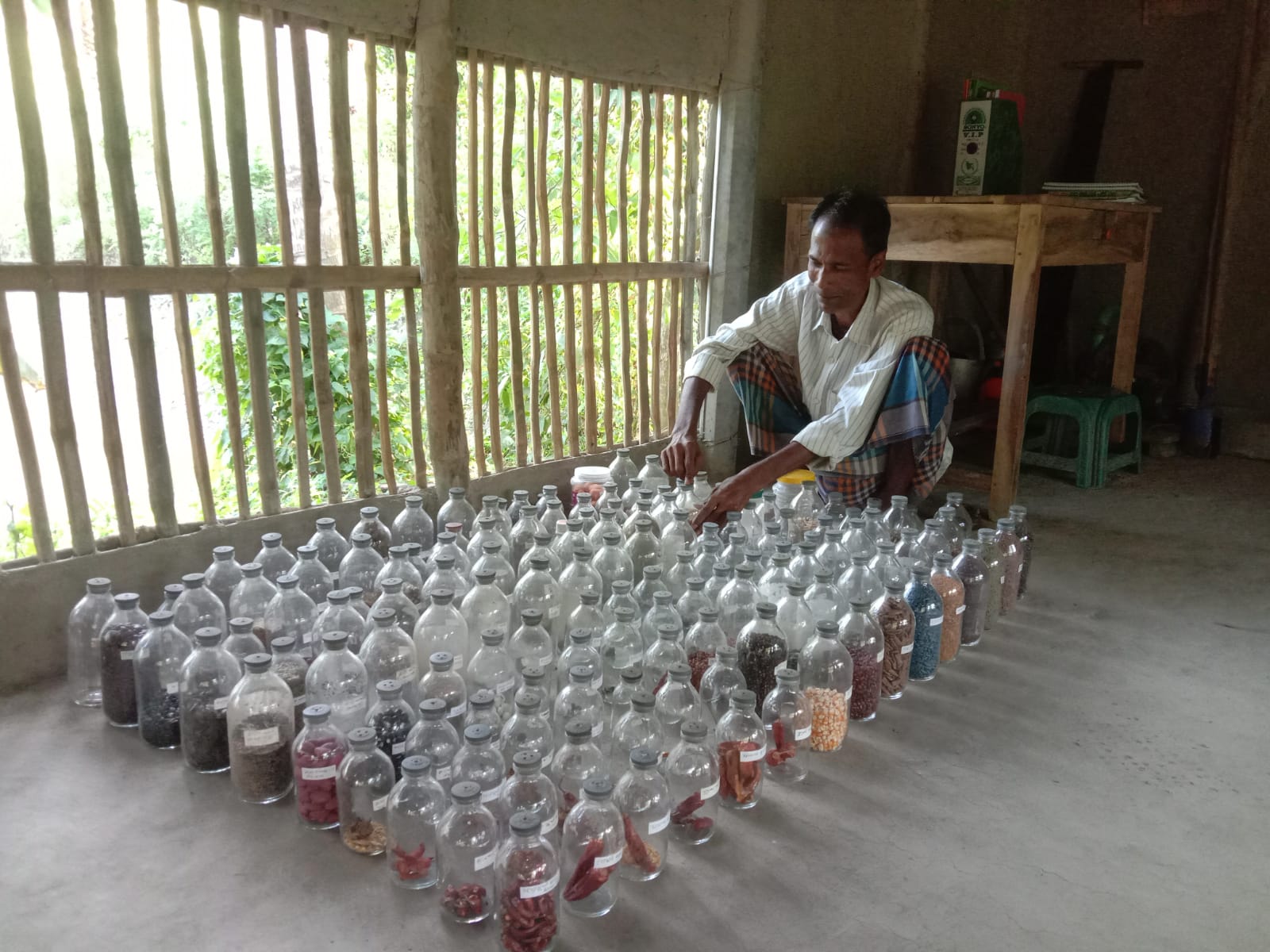
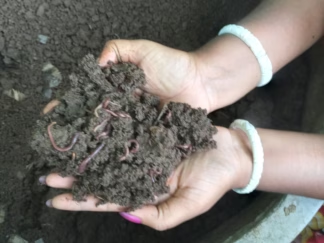
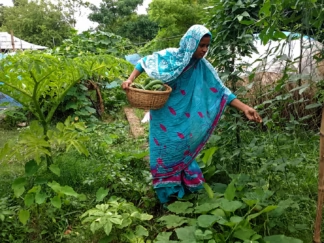
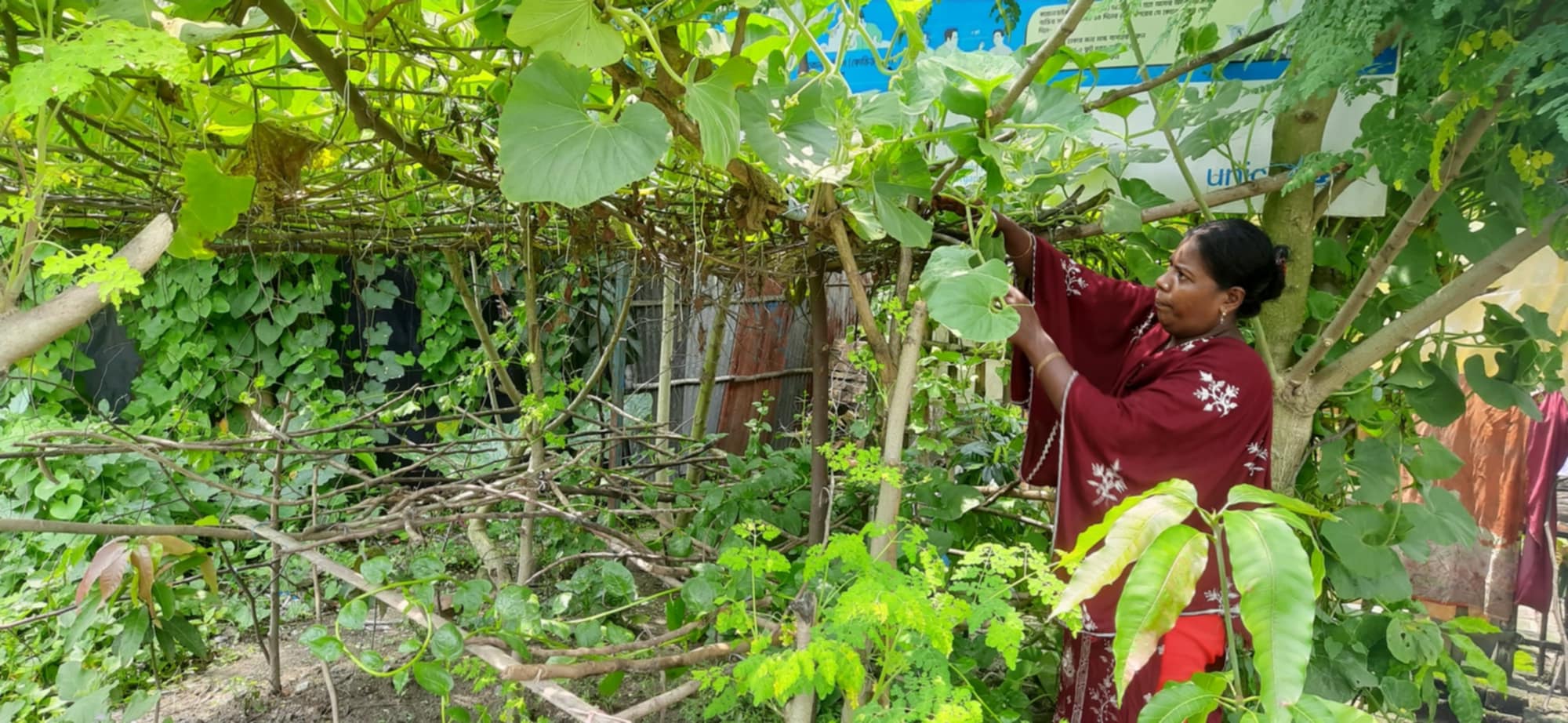
The seed bank has also improved Gobinda’s economic condition. Previously, he spent around 3,000–4,000 taka annually on seeds and additional transportation costs to buy them from the market. Now he saves that money while earning income from selling rice, fish, and vegetables. By cultivating crops with organic fertilizers, he has reduced production costs and ensured safe and nutritious food for his family.
Gobinda believes native seeds are highly suitable for coastal regions because they are naturally adapted to local soil, water, and climate conditions. These crops are less vulnerable to pests and perform better during adverse weather. He estimates that his dependence on commercial seed companies has decreased by nearly 90 percent.
According to Gobinda, seed conservation is not only about farming; it is also about protecting farmers’ rights, strengthening food sovereignty, and building a sustainable future for coming generations.