By Syed Ali Biswas and Zahangir Alam from Antalya, Türkiye
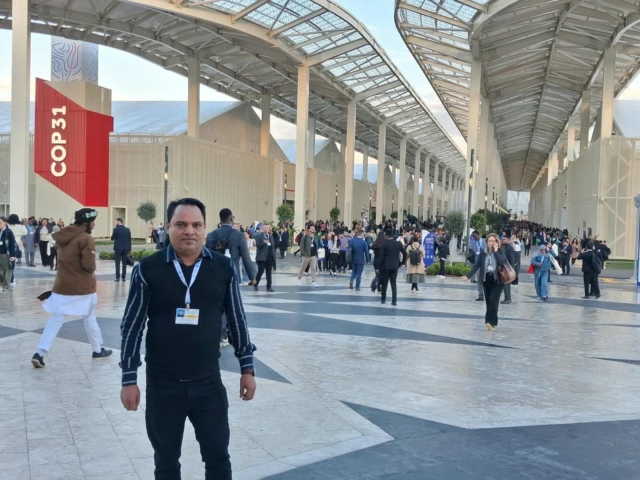
The 31st Conference of the Parties to the United Nations Framework Convention on Climate Change (COP31) began on 9 November 2026 at the Antalya Expo Centre in Türkiye and will continue until 20 November. During the first three days, discussions focused on climate finance, adaptation, loss and damage, the transition away from fossil fuels, and just transition. Although negotiations progressed, countries remained divided on key issues, particularly the financial responsibilities of developed countries and access to climate finance for affected communities. Alongside the formal negotiations, civil society organizations organized side events highlighting agroecology, food systems, women’s agricultural knowledge, Indigenous Peoples’ rights and locally led climate solutions.
Day One: Negotiations begin amid disagreements on climate finance
The conference agenda was adopted on 9 November following lengthy discussions, allowing formal negotiations to begin on climate finance, adaptation, mitigation and just transition. COP31 President Murat Kurum of Türkiye and Australia’s Chris Bowen, who is leading the negotiations, emphasized the need to turn climate commitments into practical action and assess progress on previous pledges. Developing countries, including African nations, called for increased adaptation finance and urged developed countries to meet their financial obligations. They also stressed that climate finance should be accessible to affected communities and provided mainly as grants rather than loans. However, countries did not reach agreement on establishing a separate agenda item on adaptation finance.
Day Two: Climate finance, adaptation and BARCIK’s side event
On 10 November, discussions focused on climate finance, the Global Goal on Adaptation, the Loss and Damage Fund and just transition. Developing countries called for developed countries to fulfil their obligations under Article 9.1 of the Paris Agreement and ensure timely access to grant-based finance. The estimated financial needs of 119 countries, amounting to approximately USD 2.8 billion for addressing loss and damage, were also highlighted. This figure represents an assessment of needs, not a new financial allocation or commitment. Discussions also addressed the expansion of electricity use and renewable energy. The Turkish Presidency highlighted a target of increasing electricity’s share of global final energy consumption to 35 percent by 2035. Participants stressed that electrification must be accompanied by renewable energy expansion and reduced dependence on fossil fuels.
BARCIK highlights agroecology and women’s agricultural knowledge
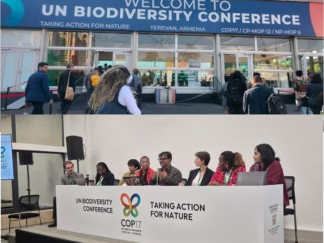
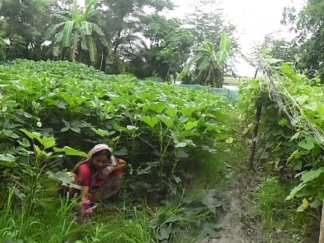
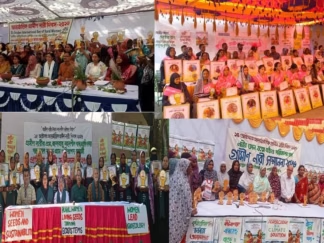
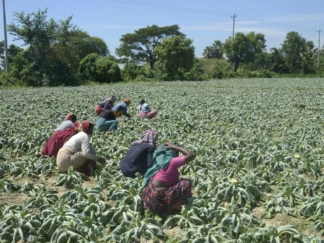
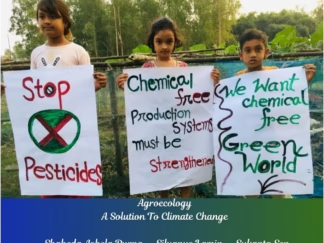
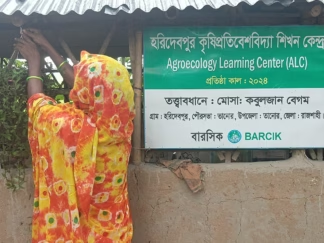
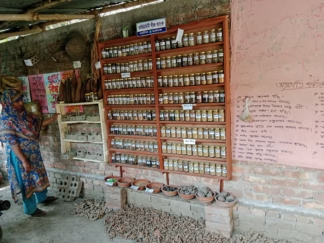
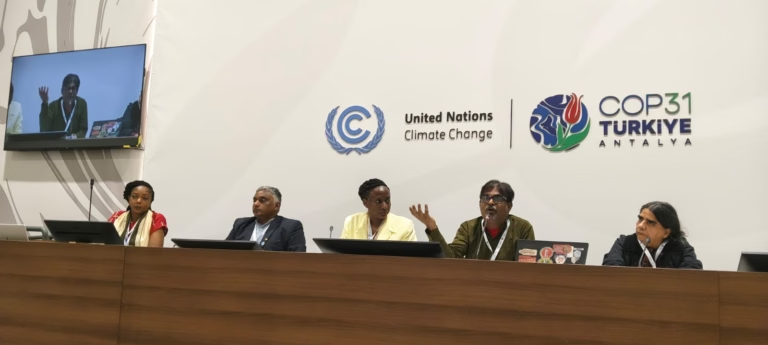
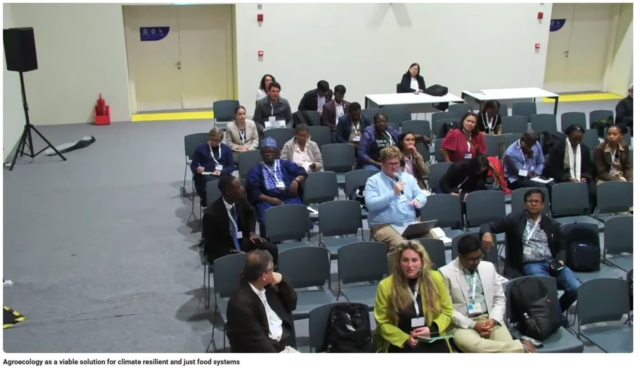
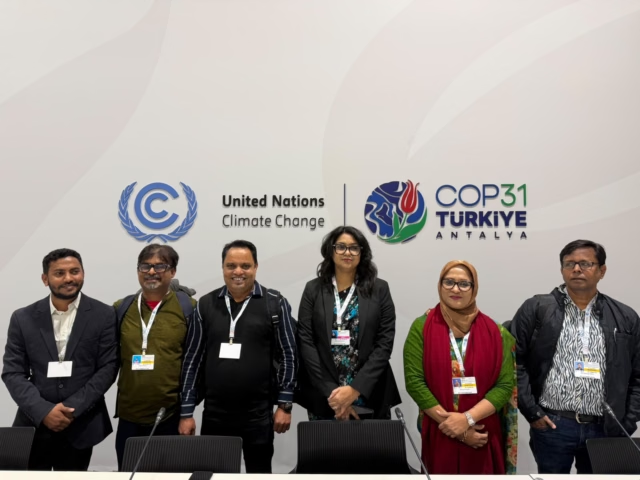
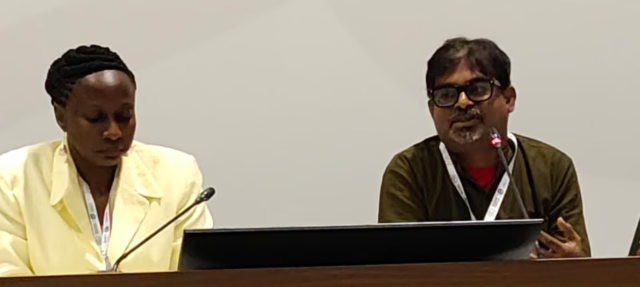
On the same day, BARCIK jointly organized an official UNFCCC side event titled “Advancing Agroecology in Just Transition for Healthy and Sustainable Food Systems and Agriculture.” The event took place from 11:30 a.m. to 1:00 p.m. in Side Event Room 3 at the Antalya Expo Centre. The co-organizers were the African Food Sovereignty Alliance (AFSA), the M. S. Swaminathan Research Foundation and Pesticide Action Network Asia and the Pacific. Speakers from Bangladesh, India, Pakistan and Africa discussed women’s contributions to agriculture, seed conservation, local knowledge and biodiversity-based food production. They highlighted the limitations of industrial and chemical-intensive agriculture and called for greater recognition of farmers’ knowledge and agroecological practices. Pavel Partha, Director of BARCIK, emphaszied agroecology as an important approach to addressing climate change. He called for its integration into the implementation of the three Rio Conventions, the Paris Agreement and national climate commitments. He also said that although agroecology is included in Bangladesh’s Nationally Determined Contributions (NDCs), it has not been adequately reflected in national agricultural policy. Syed Ali Biswas, Director of BARCIK and an agroecology researcher, highlighted agroecology’s contribution to soil fertility, the use of local resources, food production and biodiversity conservation. The discussion emphasized that women’s agricultural knowledge and local farming practices should be recognized and incorporated into national agricultural and climate policies.
Day Three: world leaders’ summit and community rights
On 11 November, the two-day Antalya Leaders’ Summit began under the chairmanship of Turkish President Recep Tayyip Erdoğan. World leaders called for stronger political commitments to address climate change. UN Secretary-General António Guterres proposed taxing excess profits from fossil fuels to generate additional resources for climate action. Discussions also continued on National Adaptation Plans, the Green Climate Fund, the Global Environment Facility and cooperation under the Paris Agreement. Least Developed Countries called for special support mechanisms to implement their National Adaptation Plans. Participants also supported continuing the Just Transition Work Program beyond 2026. Farmers’ representatives called for regular participation in just transition discussions and greater attention to agriculture. Representatives of Indigenous Peoples focused on land and resource rights, meaningful participation in decision-making and fair access to climate finance. Discussions on gender equality highlighted the implementation and financing of the Belém Gender Action Plan and the need to ensure women’s safe participation. Bangladesh also stressed the importance of improving climate monitoring systems for coastal communities.
Key issues and relevance for Bangladesh
Side events during the first three days highlighted Indigenous Peoples’ climate solutions, adaptation finance, food sovereignty, women’s roles and human rights. Discussions also addressed access to climate finance for Indigenous Peoples, community rights under Article 6 of the Paris Agreement, and the non-economic losses and damages experienced by children and adolescents. These discussions are particularly relevant to Bangladesh, where coastal salinity, river erosion, cyclones, irregular rainfall and drought continue to threaten livelihoods and agriculture. Key concerns include ensuring that climate finance is provided as grants, making loss and damage support accessible to affected communities, and reflecting local priorities in National Adaptation Plans. The recognition of agroecology, women’s agricultural knowledge, local seed diversity and community-led practices is also important for strengthening climate adaptation in Bangladesh. Greater policy recognition of these approaches, including their integration into national agricultural policy, could support more sustainable and locally appropriate responses to climate change.
Overall assessment
The first three days of COP31 established the basis for formal negotiations and brought climate finance, adaptation and just transition into sharper focus. BARCIK’s side event provided an opportunity to highlight agroecology, women’s agricultural knowledge and locally led solutions in international climate discussions. However, major challenges remain regarding the financial responsibilities of developed countries, increased adaptation support, adequate funding for loss and damage, and the transition away from fossil fuels. The success of COP31 will depend not only on political commitments but also on concrete decisions, accessible financing and meaningful participation by farmers, women, Indigenous Peoples and local communities. Recognizing their knowledge and ensuring their rights and participation in decision-making are essential to achieving climate justice.