By Alpona Nafak and Gunjon Rema from Netrakona
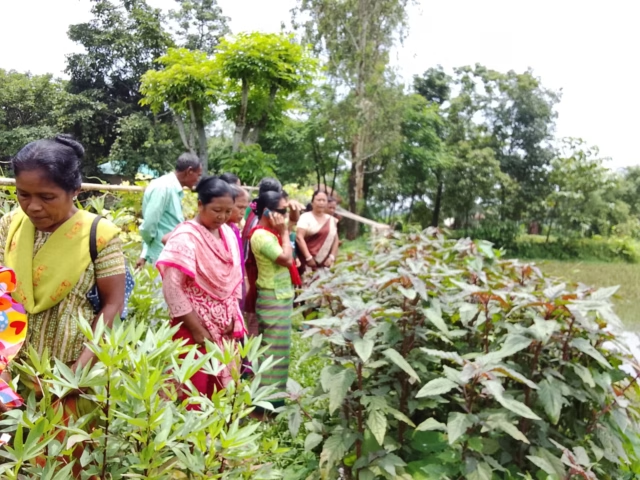
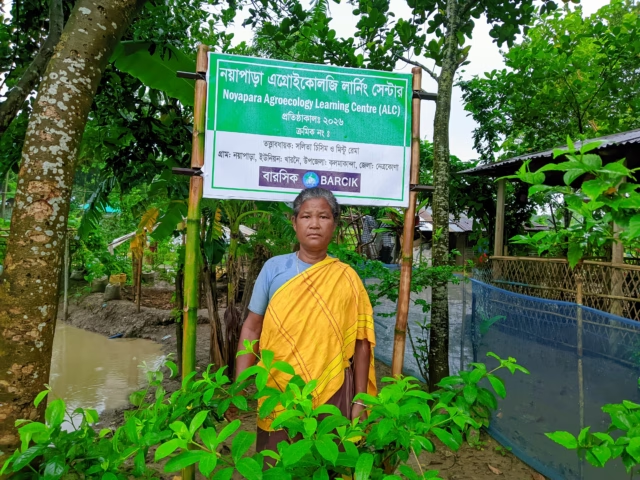
Located in Nayapara village of Kharnai Union under Kalmakanda Upazila in Netrokona district, the Nayapara Agroecology Learning Centre has emerged as a farmer-led hub for practical learning, innovation, and sustainable agriculture. Managed by local farming couple Solita Chisim and Mintu Rema, the centre has transformed their homestead into a living classroom where farmers learn by observing, practicing, and sharing experiences. The learning centre promotes agroecology by revitalizing indigenous knowledge, conserving local seed varieties, and encouraging environment friendly farming practices. Through demonstrations of organic fertilizers, botanical pesticides, water-saving irrigation techniques, diversified vegetable cultivation, and farmer-led research, it offers practical solutions to climate and agricultural challenges.
Responding to Local Challenges
Nayapara faces recurring flash floods caused by runoff from the Meghalaya Hills in India, often destroying Boro rice and other crops. During the dry season, irregular rainfall, declining groundwater levels, and limited irrigation make year-round crop production difficult. Climate change has intensified these challenges through prolonged droughts, excessive rainfall, and rising temperatures that increase production costs and risks, particularly for smallholder farmers. On the other hand, limited access to quality seeds, climate-resilient technologies, and sustainable farming knowledge has further restricted food production and household incomes. In response, the learning centre promotes affordable, water-efficient, and climate-resilient agroecological practices suited to local conditions.
Agroecological Innovations
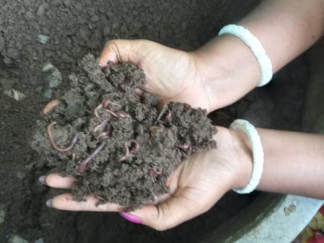
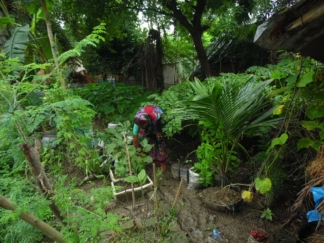
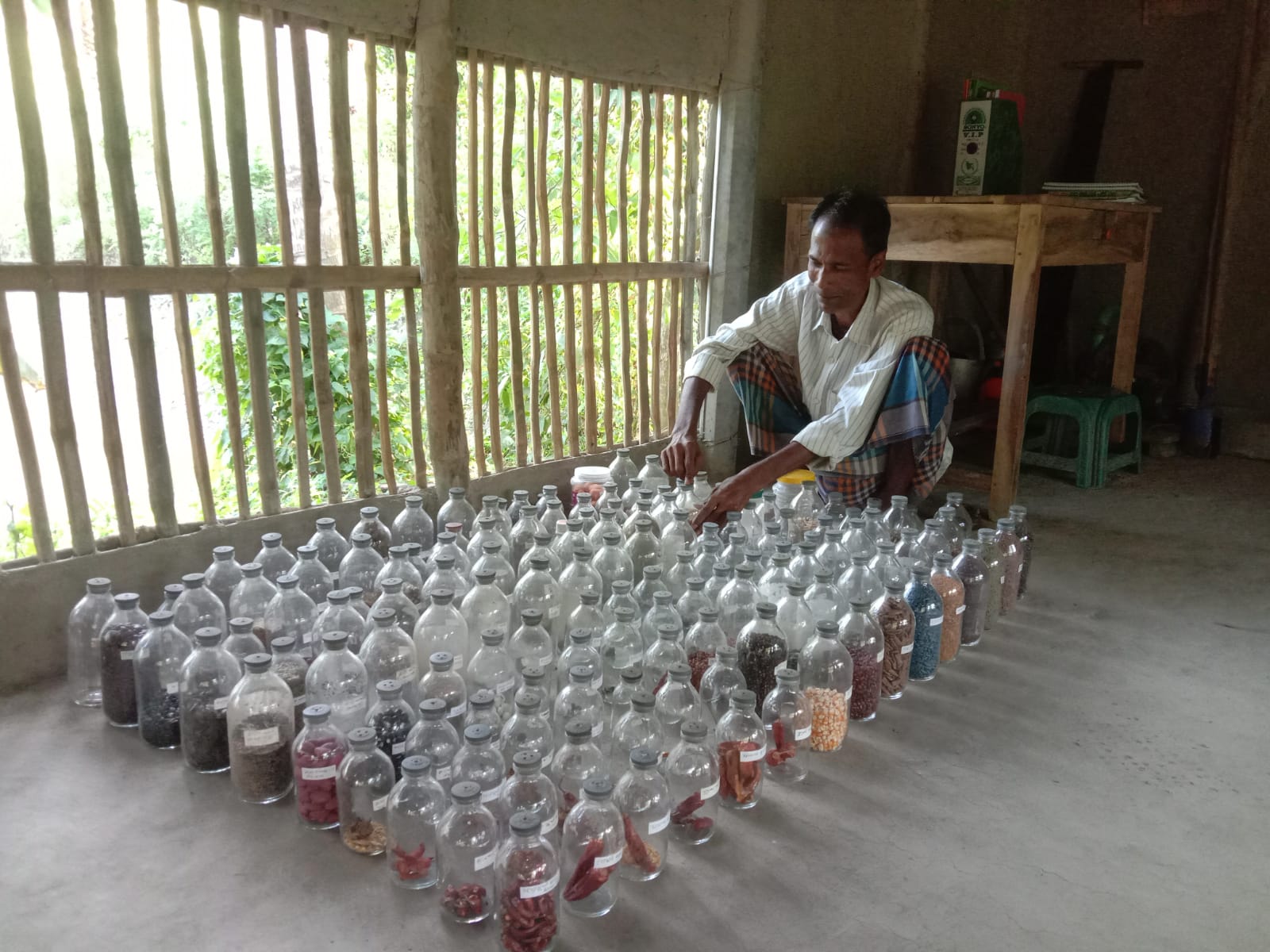
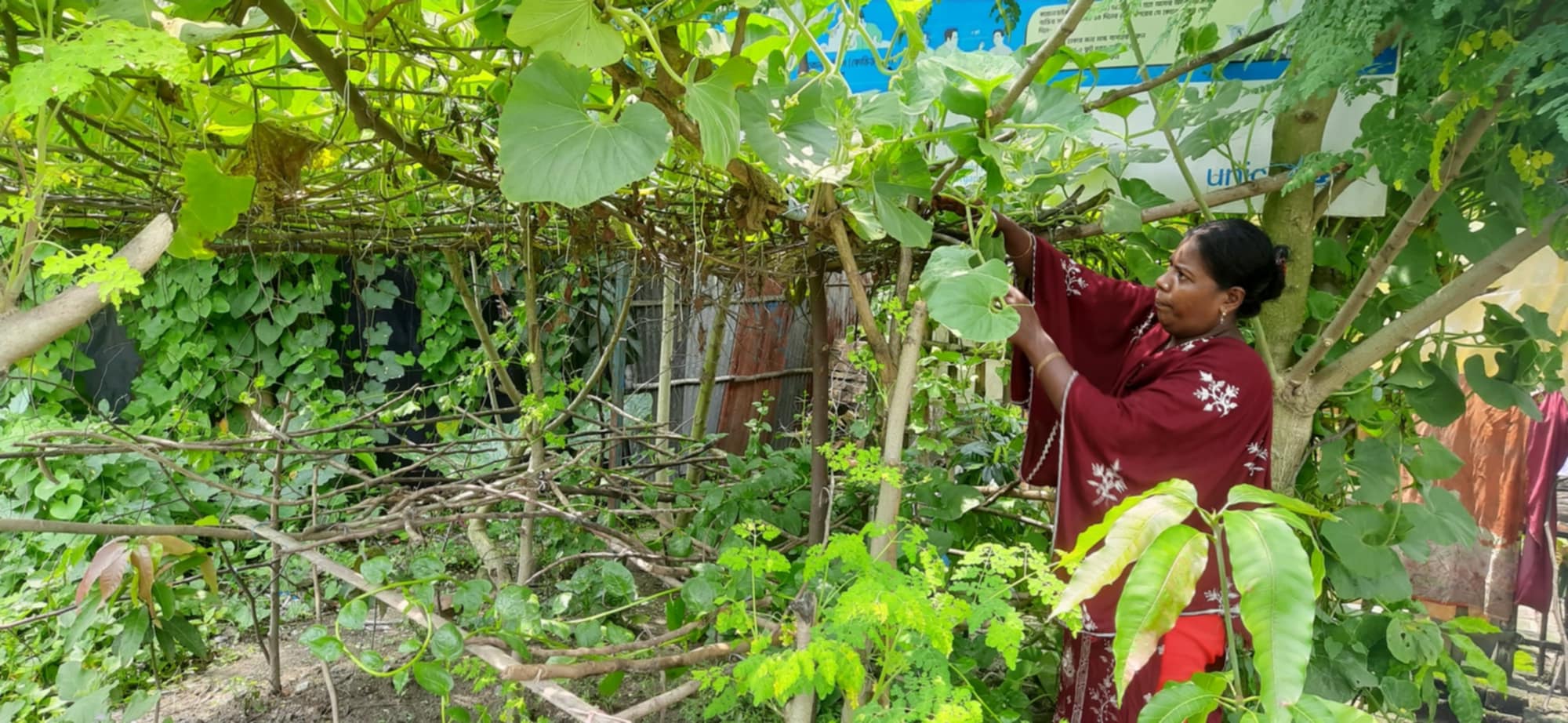
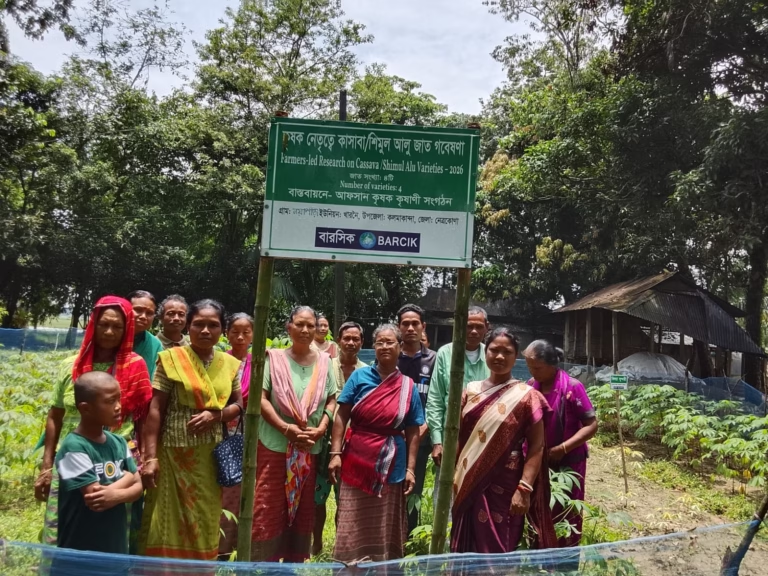
The centre demonstrates several low-cost cultivation techniques, including sack gardening, raised beds, trellis cultivation, and elevated vegetable beds, enabling productive use of small homesteads and unused spaces. With the aim to reduce water use, farmers practice saline bottle drip irrigation and wick irrigation systems that maintain soil moisture with minimal water. Soil fertility is improved through vermicompost, pit compost, and kitchen waste compost prepared from household organic waste and livestock manure. Farmers also prepare botanical pesticides using locally available ingredients such as neem leaves, garlic, chilli, and tobacco. A community seed bank managed by members of the Afsan Farmers’ Organization conserves indigenous rice and seasonal vegetable seeds through collection, preservation, exchange, and multiplication. Regular farmer meetings, field observations, experimentation, and knowledge-sharing sessions have made the centre an effective platform for farmer-to-farmer learning.
The visible changes attract
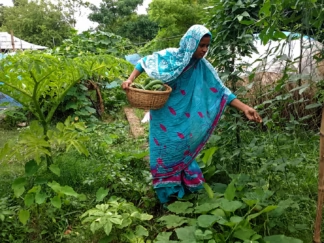
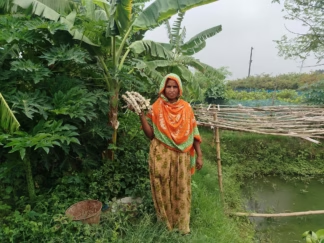
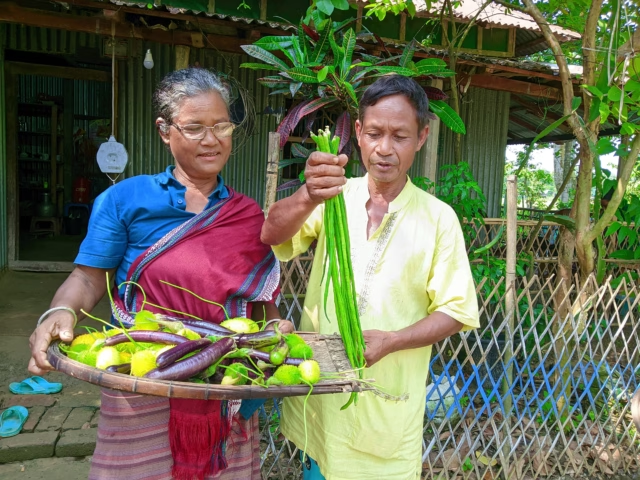
The initiative has brought significant changes to the community. Previously unused homestead areas now produce a wide range of vegetables throughout the year which ensures a steady supply of fresh and safe food while reducing household dependence on market purchases. Nature based farming has improved soil quality, increased beneficial organisms such as earthworms, and significantly reduced the use of chemical fertilizers and pesticides. Lower production costs and surplus vegetable sales have increased household incomes, while local consumers have developed greater confidence in purchasing chemical-free produce directly from farmers. The community seed bank has also reduced farmers’ dependence on commercial seed markets while helping conserve valuable indigenous crop varieties.
Farmers’ Experience
Solita Chisim and Mintu Rema recall that they initially cultivated vegetables only to meet family needs. Gradually, after adopting improved agroecological techniques, their home evolved into a learning centre regularly visited by farmers from different villages. Today, they earn additional income by selling cucumbers, yard-long beans, pumpkins, teasel gourds, eggplants, Malabar spinach, and other seasonal vegetables. Many consumers now purchase directly from their home, creating a trusted local market for fresh, pesticide-free produce.
The Impact and challenges
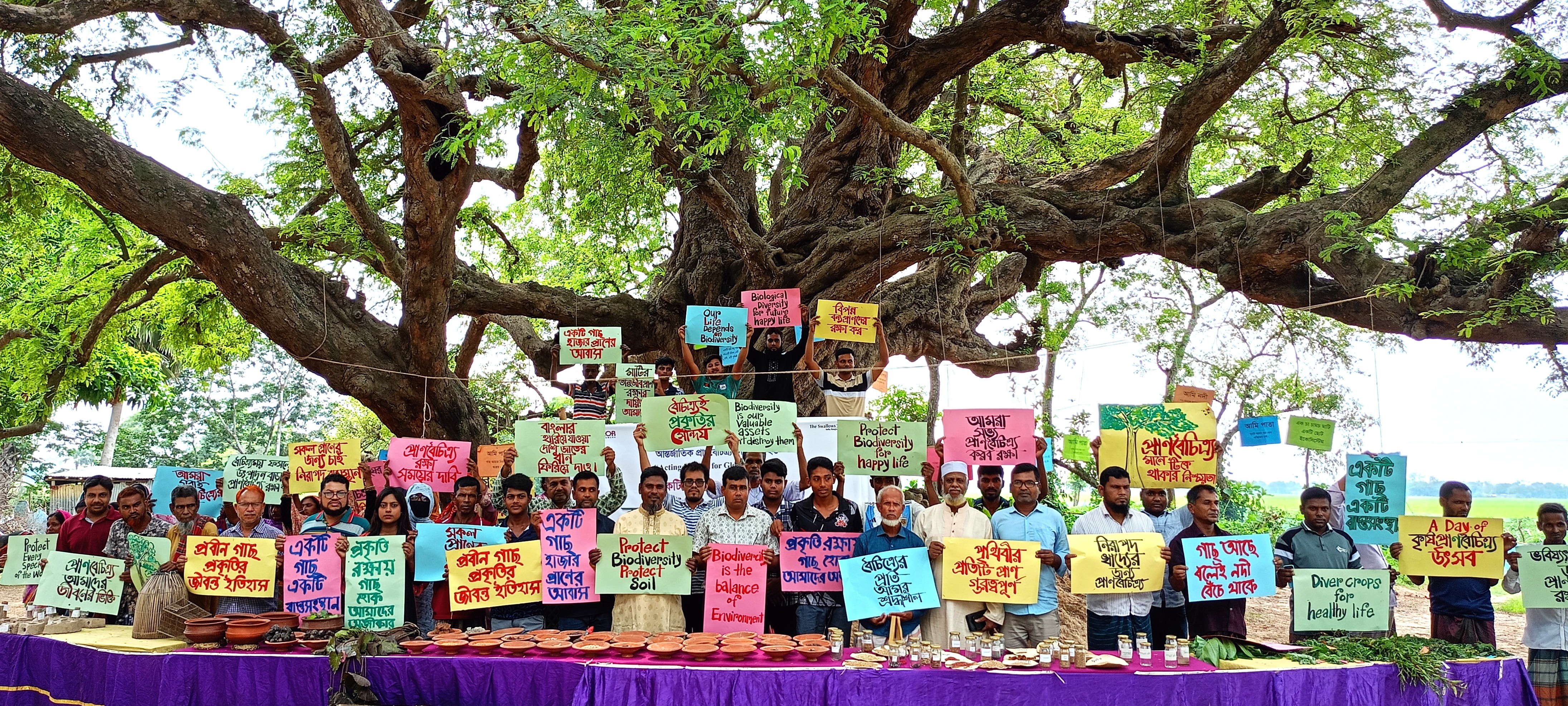
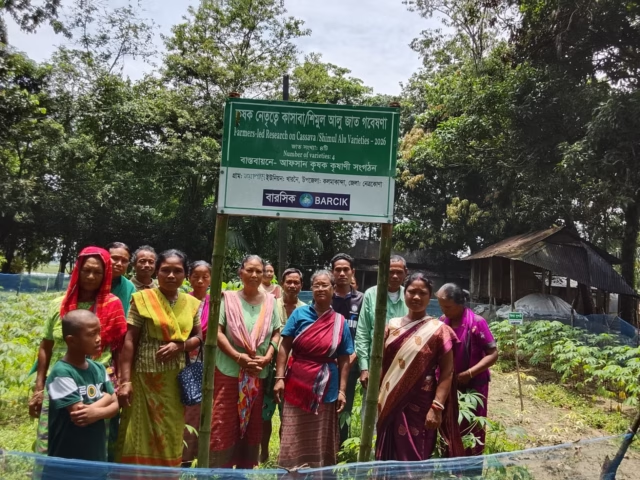
The centre has become a recognized demonstration site for agroecology. Farmer groups from Netrakona and neighboring villages have visited to observe organic farming methods, seed conservation, and water-efficient technologies. Inspired by these practical demonstrations, many visitors have expressed interest in adopting similar practices in their own communities. Despite its success, challenges remain. Producing sufficient organic inputs, ensuring irrigation during prolonged dry periods, expanding the community seed bank, creating reliable markets for organic produce, and encouraging more farmers to transition away from chemical-intensive agriculture require continued support and investment.
However, the Nayapara Agroecology Learning Centre demonstrates that locally available resources, indigenous knowledge, and farmer-led innovation can strengthen food security, increase incomes, conserve biodiversity, and promote food sovereignty. With greater policy support and wider community participation, this successful initiative can be replicated in other areas by other people for climate-resilient and sustainable agriculture.